Goldfinches flock to gardens with simple autumn prep
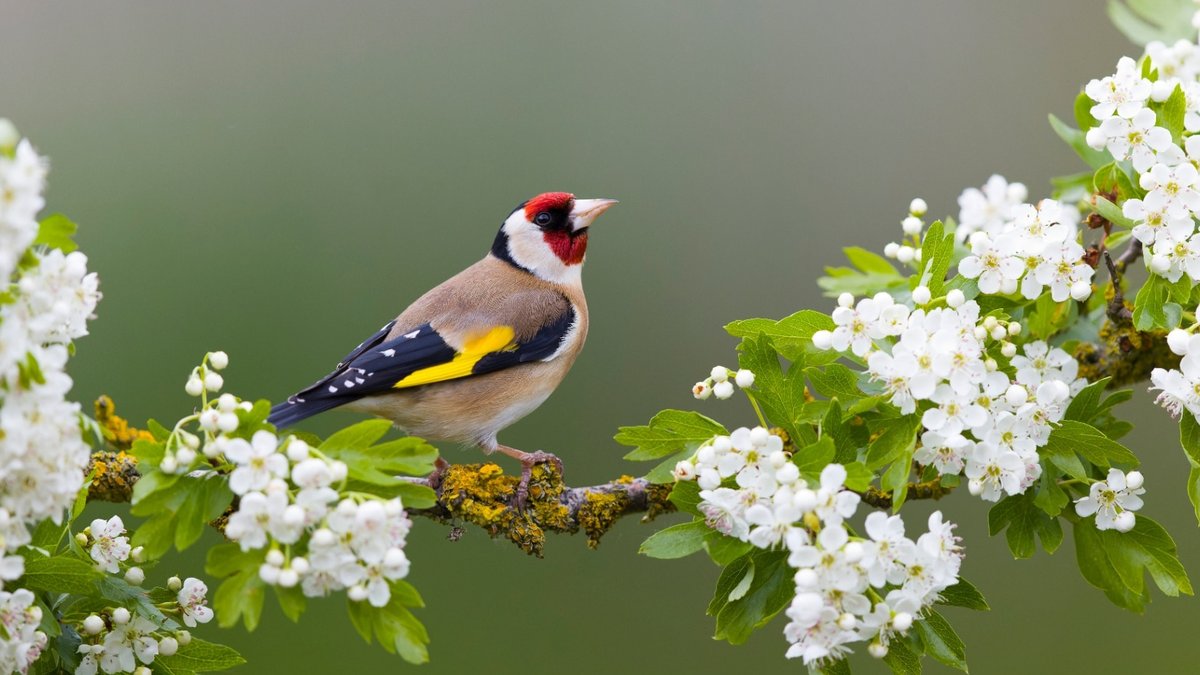
A flash of red and gold in the garden is a rare treat this season. Goldfinches—with their bright scarlet faces, black-and-gold wings, and lively calls—arrive in groups called charms as autumn deepens. Their search for seed makes late fall the ideal time to prepare for them.
Goldfinches are easier to attract than many other birds once their needs are understood. Food is the foundation. Nyjer seed, a small black oilseed, is their favorite choice. High in energy and perfectly sized for their slender beaks, it is largely ignored by larger species such as pigeons or starlings. A specialized feeder with narrow slits, rather than round holes, is necessary, as nyjer can spoil if not stored properly.
New feeders may take weeks to attract goldfinches, but once one bird finds the supply, the rest of the flock usually follows. Placing the feeder near an existing one speeds up this process. Nyjer should be purchased in small amounts and kept dry to maintain freshness.
Sunflower hearts are another preferred option. These husk-free seeds are quick to consume, which is especially useful during winter when feeding time is limited. They also create less waste, as there are no discarded shells to clean up. A single feeder stocked with sunflower hearts can draw not just goldfinches but also greenfinches, siskins, tits, and robins.
Related Post: Trees for lively autumn colour
For the best results, offer both nyjer and sunflower hearts in the same area. Goldfinches are agile but cautious, preferring feeders where they can spot predators like sparrowhawks. Positioning the feeder about two meters from a tree or hedge provides escape routes while keeping it out of reach of cats. Elevation is also important; they favor feeders hung from tall branches or bird stations rather than low tables.
How to Choose and Maintain Feeders
A high-quality feeder is a worthwhile investment. Metal ports help deter squirrels, and a design that disassembles easily simplifies cleaning. Regular maintenance is essential: feeders should be scrubbed at least weekly with soapy water to prevent disease.
Goldfinches thrive in gardens that are not overly tidy. Their long, fine beaks are adapted to extract seeds from plants like teasel, knapweed, lavender, echinacea, and Verbena bonariensis. Leaving perennials standing through winter creates a natural food source. Frost-covered seed heads add visual interest, and goldfinches often feed directly from the stems.
Even plants considered weeds, such as dandelions, thistles, and groundsel, provide valuable resources. A less manicured corner or a strip of unmown grass offers additional food. Delaying spring cleanup until just before new growth appears also benefits overwintering insects.
A long-term strategy involves creating a dedicated goldfinch border. Teasel, with its distinctive spiky seed heads, spreads easily and requires minimal care. Sunflowers, particularly branching varieties, are another reliable choice. A mix of cosmos, echinacea, rudbeckia, scabious, and Verbena bonariensis delivers both summer color and winter sustenance. In wilder plantings, knapweed and field scabious attract pollinators while serving as a food source for goldfinches.
Read Also: Seven plants for festive pot displays
Natural Food Sources Beyond Your Feeder
Trees are equally important. Birch and alder produce natural winter seeds, and goldfinches often feed on their catkins in late autumn.
Starting this autumn is straightforward: add a feeder, stock it with nyjer and sunflower hearts, and leave borders standing. Planning ahead, such as sowing teasel and sunflowers in spring or planting a birch or hedge during bare-root season, ensures next year’s garden will support goldfinches year-round.
Nesting Habits and Breeding Success
A goldfinch’s nest is a sign of precision. Woven from fine grasses, plant fibers, and spider silk, it forms a compact cup no larger than a walnut shell. Both parents contribute to construction, with the female shaping the nest while the male gathers materials. They typically build in dense foliage, often in fruit trees, hawthorn, or blackthorn, where predators like sparrowhawks struggle to reach. Nests are usually placed 1-3 meters above ground, tucked into the outer branches where wind cannot easily dislodge them. A single brood may contain four to six eggs, marked with brown and black speckles to blend with bark and leaves.
Goldfinches are prolific breeders, with many pairs attempting two broods in a single season if conditions allow. The female incubates the eggs alone for about 12 days, while the male provides food. After hatching, the chicks are fed regurgitated seed pulp for their first week before beginning to eat whole seeds. Young birds leave the nest after 14-16 days but remain dependent on their parents for another two weeks. The vulnerability of fledglings to predation explains why dense nesting sites and early warning calls from adults are vital to their survival.


