Autumn plants bring late-season colour to gardens
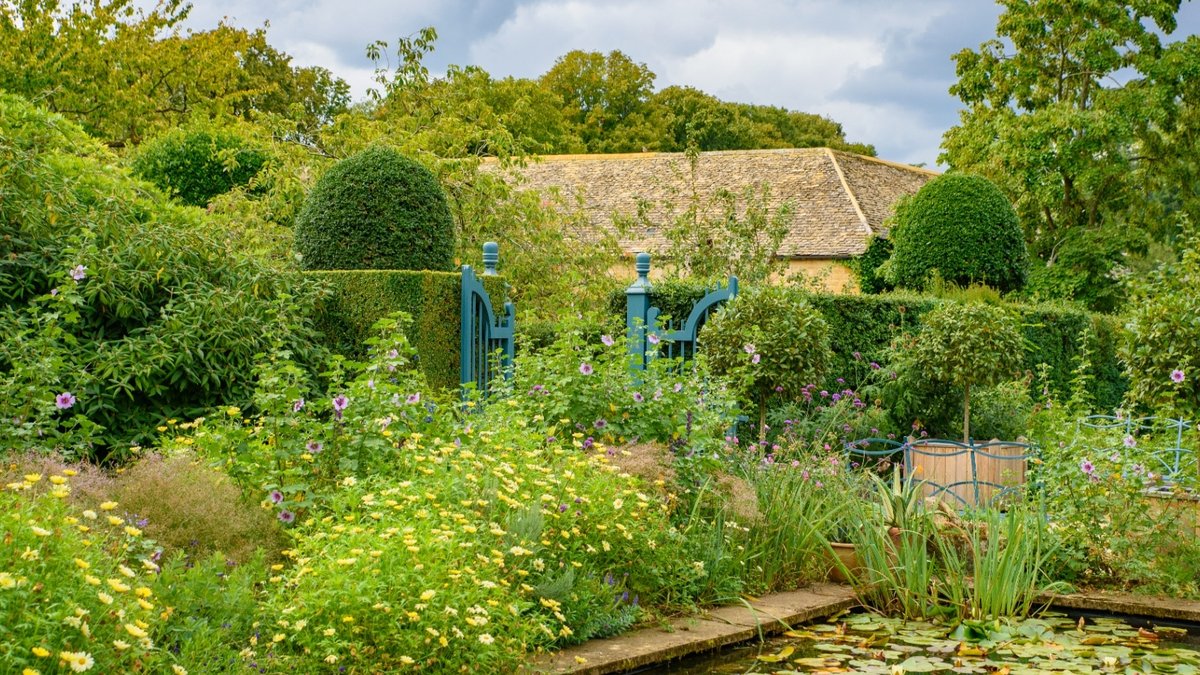
When the summer heat eases, a garden that still glows with colour can be created by choosing plants that thrive in cooler weather, and a selection of dependable perennials, ornamental grasses and late-blooming flowers makes that transition smooth and rewarding.
Asters and Late-Season Colour
Head gardener Anna Krapivina of Weston Park advises that asters are an excellent way to keep interest alive deep into autumn. The genus, now frequently recorded under the name Symphyotrichum, produces daisy-like sprays that remain attractive well past the first frosts.
She highlights varieties such as Aster novae-angliae ‘Mönch’ and the powdery-mildew-resistant ‘Barr’s Pink’ as reliable performers in sunny, sheltered positions. Both cultivars benefit from staking, which helps them keep a tidy silhouette as they grow. Planting them at a depth of one to two inches and leaving a spacing of twelve to eighteen inches gives each stem room to self-support without crowding its neighbours.
Related Post: Eight Tips to Keep Gardens Thriving
Anna also points to Symphyotrichum ericoides as a low-maintenance alternative that forms modest clusters on branching stems. This plant tolerates a range of soil types and shows good resistance to fungal disease, making it suitable for mixed borders where variety in texture is desired.
Grasses, Persicarias and Prairie-Style Perennials
At the Sussex Prairie Garden, Paul and Pauline McBride demonstrate how tall, billowing grasses can be paired with vigorous persicarias to create a dynamic display. Persicaria amplexicaulis ‘Pink Elephant’ sends slender pink spikes above deep-green foliage, reaching heights of about one metre when given enough space.
Ground-covering Bistorta officinalis carpets the soil with glossy leaves and produces “bottlebrush” pink flowerheads from June through October. Its stems are capable of climbing to one and a half metres under favourable conditions, adding vertical interest to the planting scheme.
In the same setting, Persicaria polymorpha offers creamy-white plumes that mingle with the purple-rose racemes of Veronicastrum virginicum ‘Temptation’ and the ruby-red button-like blooms of Sanguisorba ‘Red Thunder’. Together these species create a layered prairie effect that works even on heavy Wealden clay, demonstrating that texture and colour can be balanced on challenging soils.
Read Also: Istanbul Corner Cafe Transforms Into Bar by Night
Japanese Anemones and Their Subtle Elegance
Japanese anemones add a delicate contrast to late-season beds. Once established, cultivars like ‘Königen Charlotte’ and ‘Pamina’ form dense colonies of deep pink or pure white blooms, thriving in partial shade. Their habit of spreading means gardeners should allow ample room or plan for periodic division to keep the plants healthy and vigorous.
Salvias for Rich, Dusky Hues
Salvias bring rich, dusky tones to beds that are reaching the end of the growing year. Salvias, renowned for their range and intensity of colour, are particularly beautiful in the low autumn sunlight. Give salvias a good mulch over winter if you live in a colder part of the country and they may come through to grow the following year.
Insurance cuttings are a must for more tender salvia species like S. guaranitica. A stately herbaceous plant with dark mauve-blue flowers, a dark calyx and dark stems – portrays these virtues to perfection. Given an open, sunny site, free-draining soil, a mulch with bark chips for winter protection and shelter from spring frosts, this long-lived, long-flowering plant blooms profusely from July to November.
Late-Blooming Sedum
Late-blooming Sedum ‘Autumn Joy’ (Hylotelephium) adds eye-popping hot pink flowerheads to the garden in late summer and early autumn. By mid-autumn they turn crimson before fading to a befitting shade of copper. They still look good in winter if you leave their seedheads in place to be decorated by frost and snow.
Read Also: Bassike’s Byron Bay store redefines retail with modular
Practical Planting Tips for Autumn Gardens
When incorporating these perennials and grasses, it is useful to follow the spacing recommendations that each cultivar suggests. Providing the recommended distance between plants not only prevents overcrowding but also improves air circulation, which in turn helps to keep fungal problems at bay.
Autumn Plants for Shade, Sun, and Low-Maintenance Gardens
Many perennials thrive in autumn’s cooler temperatures, offering colour and structure with minimal care. Japanese anemones like Anemone x hybrida ‘Whirlwind’ and Anemone hupehensis ‘Pamina’ produce delicate pink or white blooms from late summer into autumn, spreading over time to form colonies. They prefer partial shade and adapt to most soils, though gardeners should allow space for their gradual spread or divide clumps to control growth.
Designing for Continuous Interest
By mixing tall grasses with mid-height perennials and low-lying groundcovers, a garden can maintain visual interest from the ground up. The vertical lines created by Persicaria amplexicaulis ‘Pink Elephant’ and Bistorta officinalis contrast nicely with the softer, spreading habit of Japanese anemones, while the late-season colour from Sedum ‘Autumn Joy’ provides a finishing touch that lingers well into winter.


