Cactus Blooms Form in October Through Nighttime Darkness
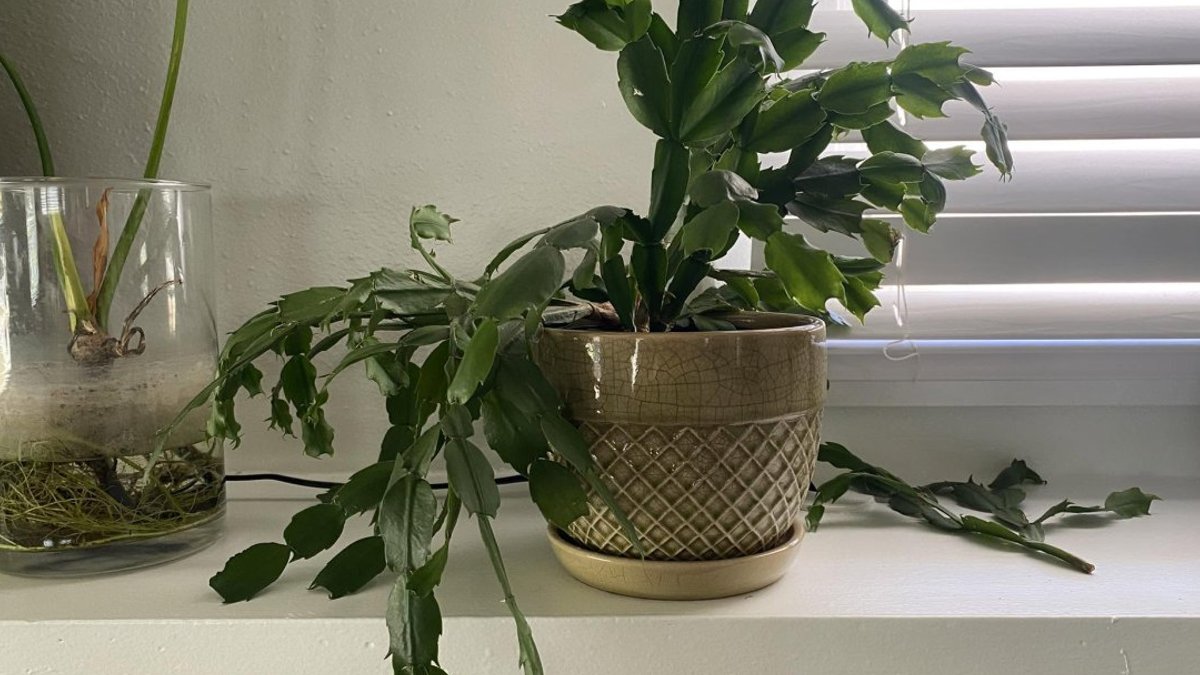
Flower Development in Christmas Cacti Begins Long Before December
A Christmas cactus might appear vigorous in October without any visible signs of the blossoms anticipated for the holiday season. While its green, segmented branches continue expanding near a window, the actual process of flower formation begins much earlier. The plant’s ability to produce blooms hinges on environmental cues that take effect well before December arrives.
October marks a critical window when both Christmas and Thanksgiving cacti react to shortening daylight hours and milder evening temperatures. These plants thrive as short-day varieties, meaning their buds develop only after prolonged exposure to specific light and temperature patterns. Adjusting care routines in December alone may overlook the key phase when buds first emerge. For houseplants, the most significant adjustment isn’t altering fertilizer use or watering frequency—it’s managing nighttime conditions. Extended periods of complete darkness combined with cooler temperatures prompt the plant to shift from stem growth to flower production.
Experts at the University of Minnesota Extension advise providing at least 12 hours of total darkness each night for roughly six weeks, provided nighttime temperatures remain between 60°F and 65°F. Maintaining absolute darkness is essential, any artificial lighting, including lamps, kitchen lights, or grow lights, during these nighttime hours can disrupt bud formation. A naturally dark room after sunset may suffice, eliminating the need to relocate the plant daily.
Darkness alone isn’t enough to guarantee blooms. Temperature also plays a decisive role in whether shortened days translate into flowers. Ideal nighttime temperatures for bud development fall between 60°F and 65°F, while readings above 70°F can inhibit flowering. Some varieties may still produce flowers at around 55°F, though they may not adhere as strictly to daylight requirements. A cool, unused bedroom during autumn can create the perfect conditions, provided the plant receives ample daylight during the day and remains shielded from indoor lighting at night.
Observing the tips of the green stem segments reveals early signs of success. Tiny, pointed buds will appear there before the flowers fully extend. Once these buds form, stability becomes critical. Sudden relocations, drafts, temperature fluctuations, or allowing the soil to oscillate between saturation and drought can cause buds to drop prematurely. Iowa State recommends postponing any moves until the first flowers begin to open before transferring the cactus to its final display spot.


