High Court Rules on $5.7M Inherited House Dispute
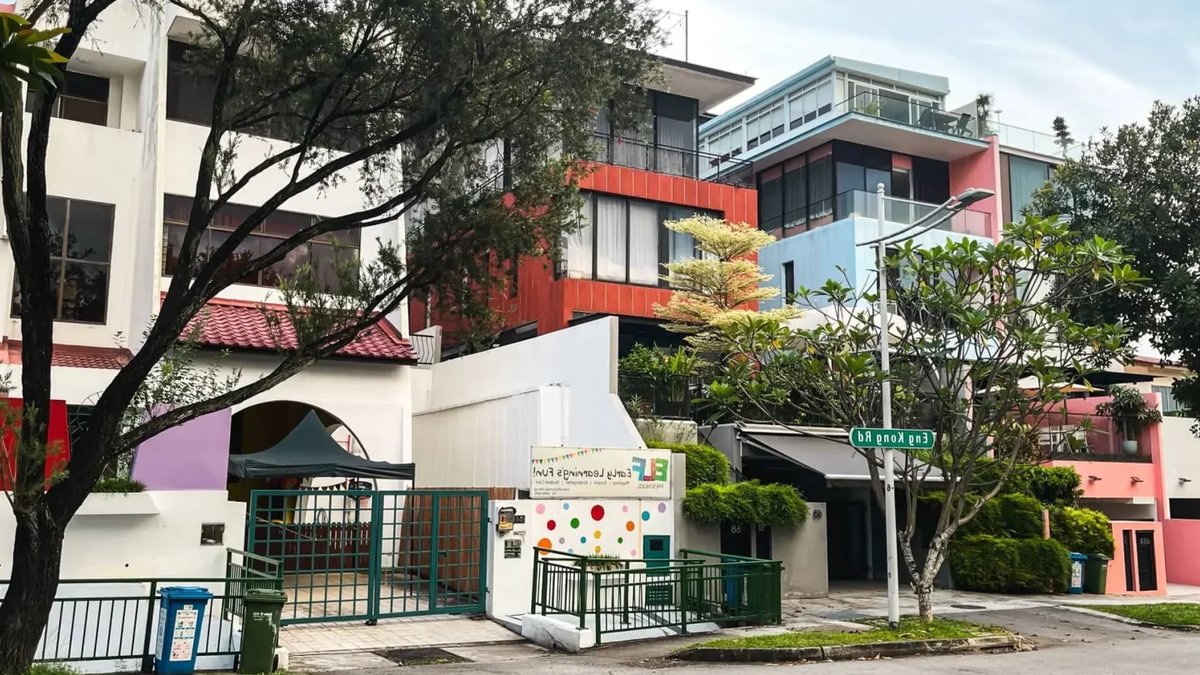
The estate of a mother who died in December 2012 left two brothers, David Chan and Franklin Chan, as executors of three properties, including a semi-detached house on Eng Kong Road that later sold for $5.7 million.
Sale, Handwritten Note and Court Ruling
The house was completed in June 2014. Franklin lived there with his family from October 2014 to September 2016; his son Charles stayed two months afterward, after which the home sat vacant for about eight months. The brothers then co-leased the property for four years, ending the tenancy in January 2022.
In April 2022 the house at 56 Eng Kong Road was sold. Court documents state that a buyer had offered $5 million for the semi-detached house, and Franklin presented an Option to Purchase that required David’s signature. David refused until Franklin signed a handwritten note promising $600,000 of the proceeds—$300,000 each—to their two other brothers, George and Jack, who were not named in the will. Based on URA caveats, the transaction price was $5.7 million ($1,517 psf) on 11 April 2022.
The note, dated 11 September 2021, became the centerpiece of a High Court judgment delivered on 19 October 2026 by Justice Christopher Tan. The judge ruled that the note could constitute a binding contract because both brothers signed it, each gave consideration, and there was no evidence of duress.
Read Also: Bathroom Space Solutions: Rethink Under-Sink Cabinet Designs
Rent, Commission and Other Disputes
When Franklin moved into the house, the brothers verbally agreed that he would pay $4,000 a month to David. He began paying in May 2015 and continued until August 2016. David later sued for $40,000 in unpaid rent covering October 2014-April 2015 and September-November 2016. The court dismissed the claim for the first seven months but awarded $12,000 for the final three months, noting that the burden of proof lay with the payer.
The property was leased to a tenant for more than four years at a monthly rent of $7,800. The first tenancy was signed by both brothers, and the rent-amounting to $142,971-was deposited into a joint account requiring both signatures for withdrawal. After the lease ended in 2019, David declined to sign a two-year extension; Franklin signed it alone, used the tenant’s deposit of $15,600 for the first two months, and then collected the rent directly. The judge applied section 73A of the Conveyancing and Law of Property Act, ordering Franklin to pay David half of the deposit ($7,800) and half of the subsequent $39,000 collected ($19,500), while splitting the joint-account balance equally.
Estate Tax and Funding Provisions
The will stipulated that any deficit in completing the Eng Kong Road house must be covered by rental proceeds from the Far East Shopping Centre unit and the Springdale condominium.
Because the semi-detached house was still under construction when the mother passed, the estate held bank accounts containing progress payments and joint balances with the children.
Read Also: Woman creates backsplash from wine corks
Construction Phase, Sale Offer and Occupation Dispute Details
A shouting match followed; Franklin later messaged David claiming he signed “under duress.” The brothers had verbally agreed that Franklin would pay $4,000 a month, though a co-owner living in the property normally owes no rent unless they agree otherwise.
Franklin later described an $8,000 monthly payment as “more than fair current market rental.” He asserted a separate verbal arrangement allowed him to stay rent-free from October 2014 to April 2015 while seeking a tenant for his own flat, which he never found and sold in May 2015 before beginning payments. David denied that arrangement, labeling it “lopsided” in a June 2015 message and later expressing unfairness to their uncle in 2018. Justice Tan concluded David had agreed, albeit resentfully, and dismissed the $28,000 claim for those seven months. The judge also held that the party alleging payment must prove it, rejecting Franklin’s unsubstantiated claim of September 2016 rent payment.
For October and November 2016, only Franklin’s son remained on site to oversee repairs, leading Franklin to argue no rent was due.


