Canadian architects redefine growth with community-driven design
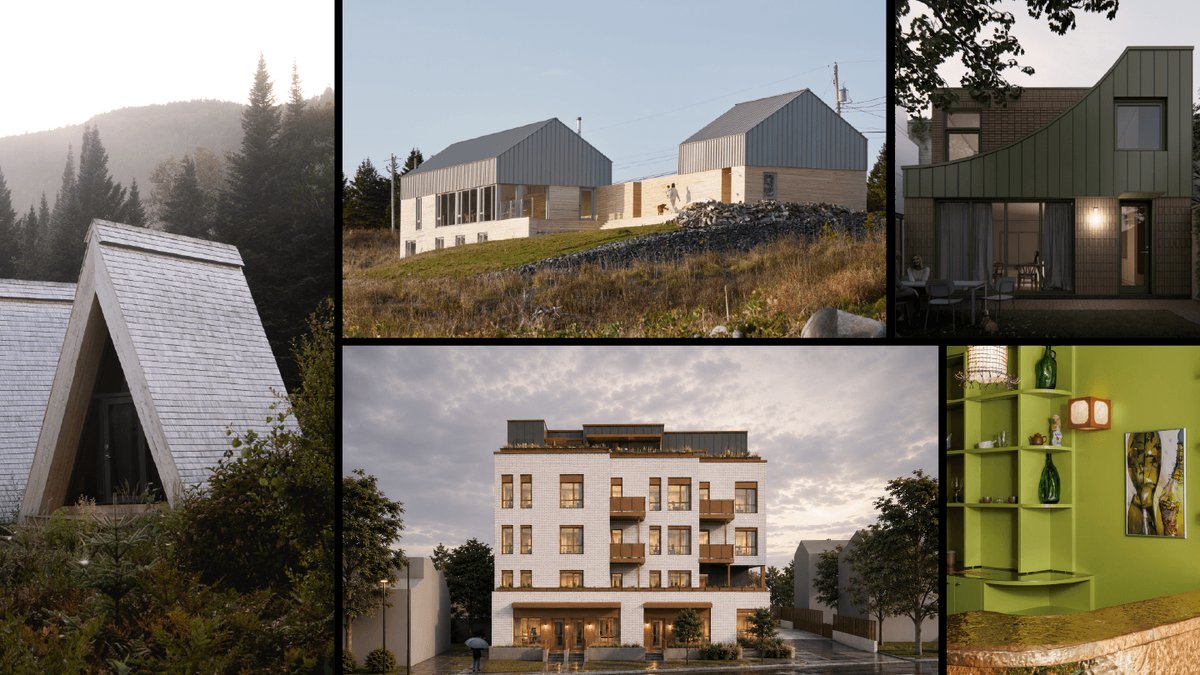
A small but expanding group of Canadian architecture firms is reshaping responsible building practices amid rapid industry shifts. Founders from five studios—based in Montreal, Toronto, Halifax, Calgary, and Vancouver—discuss how they expand their operations while maintaining ethical principles. Their approaches differ in scale and specialization, yet all prioritize community-focused design, environmental stewardship, and practical construction solutions.
The Montreal studio led by Nicolas Lapierre, established in 2013, centers its work on architecture that engages thoughtfully with its surroundings, serves users effectively, and endures over time. Early projects included micro-cabins in Quebec’s Laurentian Mountains and a home inspired by the Magdalen Islands’ traditional styles. These smaller commissions evolved into larger-scale initiatives, such as Indigenous community developments and social housing programs.
While the OAQ Emerging Architecture Prize increased their visibility, Lapierre highlights a different achievement: “Recognitions such as the OAQ Emerging Architecture Prize and international awards have been deeply meaningful, but what we’re most proud of is growing as a practice without losing sight of the values that brought us to architecture in the first place.” The transition from residential work to public spaces mirrors a broader industry tension, balancing growth with sustainability.
Related Post: Gresham’s new library redefines civic space with community-driven design
The industry needs to change how it defines value in the built environment, moving beyond building more and faster to focus on building better, preserving what already exists whenever possible, building only what is truly needed, and creating architecture with the quality, adaptability, and longevity to become tomorrow’s built heritage.
In Toronto, Matt Hagen founded his firm with a focus on high-density housing solutions. His studio’s designs, like a circular washroom system featuring “sun snorkels” for natural light and a pink laneway house with a ski-slope facade, demonstrate his goal: “We’re driven to increase both the quality and quantity of housing, to design spaces that enrich people’s daily lives while unlocking real density in places others might overlook.” Hagen acknowledges a growing disconnect in the industry. While digital tools accelerate rendering, the rush to produce polished visuals can overshadow the underlying problem-solving. “The image itself may take minutes to render, but the real effort goes into the architectural problem-solving behind it.”
Barriers to public-sector opportunities
Access to public-sector projects remains a major obstacle for emerging studios. Hagen identifies a systemic issue: design competitions, once open to newcomers, now favor established firms with lengthy track records. The loss of anonymous, open competitions, such as the one that launched KPMB Architects with Kitchener City Hall in 1989, has limited opportunities for fresh perspectives.
In Halifax, Matthew Bishop and Lucas McDowell, who launched their studio in 2024 with two employees, emphasize design rooted in local context. Their portfolio includes a mixed-use mid-rise in Truro and an oceanside residence structured around a thick wooden wall. Their work reflects a belief in architecture that addresses “construction realities and the daily lives of occupants.” They view mentorship as reciprocal, stressing the importance of collaborative networks. “For us, meaningful mentorship means being part of a supportive community of like-minded architects and designers, where knowledge, ideas and experiences are shared openly.”
Related Post: O’DonnellBrown bridges conservation and community design
AI’s role and human creativity clash
Technology, including AI, is transforming the field, but human judgment remains irreplaceable. “While A.I. and other evolving technologies allow us to expand our capabilities, they also reinforce the continued importance of human creativity, critical thinking and design judgment,” Bishop and McDowell note. The challenge lies in integrating these tools without losing architecture’s core connection to people and place.
The Calgary studio co-founded by architects in 2018 specializes in socially and environmentally conscious design. Their projects range from a ceremonial pavilion for the O’Chiese First Nation to affordable housing in Calgary’s Bowness neighborhood. For one of the co-founders, securing the 115-suite Hyatt Place in Whitehorse marked a turning point. The project required adapting to northern climates and collaborating with Indigenous artists to incorporate cultural elements, a process she describes as “extremely rewarding.”
Human-scale design and mentorship transparency
In Vancouver, a solo practitioner since 2024 centers her work on human-scale design. Her projects, including a pasta restaurant with trompe l’oeil walls and a tea bar in Victoria, prioritize “clear, unifying concepts” and collaboration with artisans. She advocates for transparency in mentorship, sharing practical aspects of running a practice, such as fee structures and contract negotiations. “I was very lucky to have a mentor early in my career who did this without thinking twice about it. Because of that natural generosity, I was able to”
Related Stories
 Permit & Code Brief
Canadian architects redefine growth with community-driven design
 Permit & Code Brief
Indigenous House adds landform to U of T
 Permit & Code Brief
Athens repurposes old airport building into medical school campus
 Permit & Code Brief