Experts warn WD-40 ineffective against carpenter bees
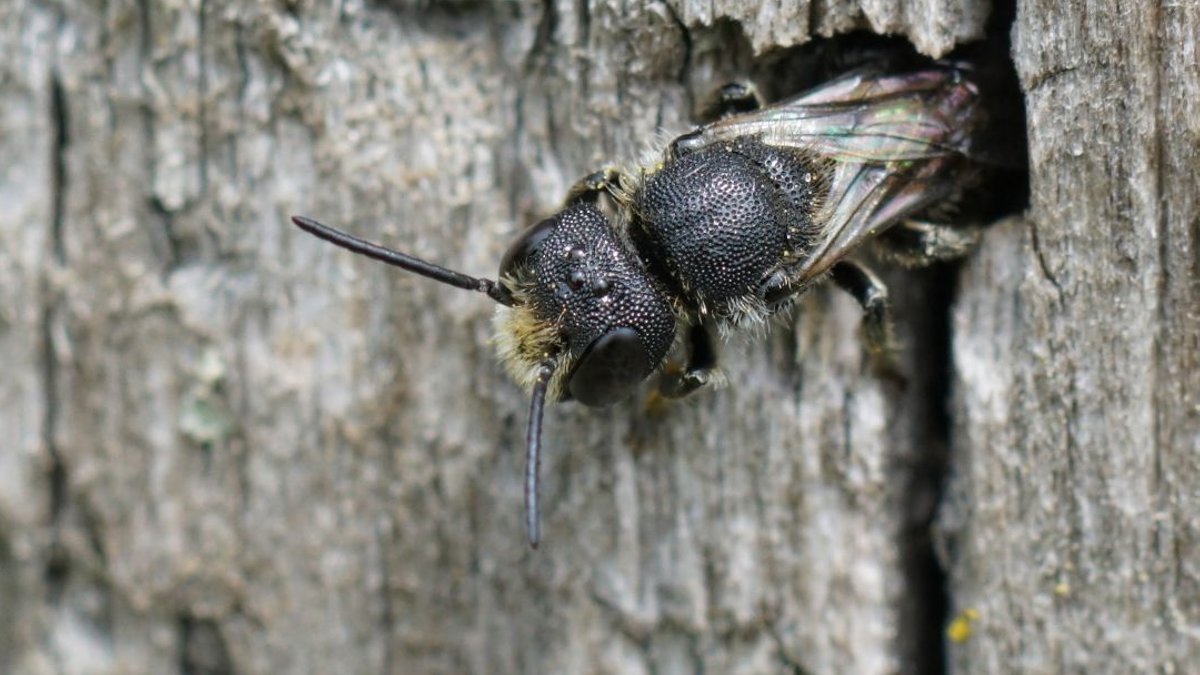
Homeowners often notice a round opening in a deck and instinctively reach for WD-40 to spray into the cavity, hoping the spray will stop the activity of a carpenter bee that may be nesting inside.
The insect creates tunnels for raising its young rather than consuming the wood, and the developing brood can occupy chambers that lie beyond the visible entrance, making the problem harder to see.
WD-40 is a lubricant, not an insecticide, so applying it does not guarantee that the tunnel system has been cleared; the product simply reduces friction on surfaces.
When a bee disappears after a spray, you have no answer about occupants deeper in the wood.
Guidelines for approved treatments advise leaving the entrance open while the chemical works; Penn State specifically warns against sealing holes immediately because the insects need a way out to avoid being trapped.
Read Also: Reddit User Turns Laundry Room into Custom Cabinet Haven
Choosing a product that is specifically labeled for managing carpenter bees and following the manufacturer’s directions is recommended instead of relying on a product that fits through the opening.
Homemade peppermint deterrent lacks proof
A popular DIY mix calls for 500 ml water, one tablespoon liquid Castile soap, and 5–10 drops of peppermint essential oil, shaken and sprayed on exposed wood as a supposed repellent.
There is no controlled research showing that this blend prevents nesting, and the claim that it is safe for children, pets, or wildlife is unsupported by scientific studies.
A strong scent at the opening cannot verify that the gallery has been dealt with, so the spray should not replace proper treatment that targets the insects directly.
Inspect before plugging or filling
Fresh sawdust accumulating under the opening and insects moving in or out signal active excavation, according to observations from University of Georgia experts.
Observers are advised to watch from a distance, avoid inserting tools into the hole, and consider photographing the entrance so that a local extension service or pest professional can identify the species accurately.
Read Also: Homeowner Refreshes Kitchen with Gray-Sprayed Oak Cabinets
The shape and size of the hole—often about a half-inch in diameter—are insufficient alone to determine the cause of damage, because many insects can create similarly sized openings.
When and how to seal openings
Using steel wool or copper mesh beneath exterior filler can block re-entry, but if the tunnel is still occupied the insects may chew a new exit, as Iowa State advises against premature plugging.
After activity has ceased, sealing the cavity with a wooden dowel coated in carpenter’s glue, putty, or another suitable sealant is a method listed by University of Kentucky for preventing future entry.
Before treating the damage as cosmetic, it is important to examine the surrounding board for splits, softness, or repeated tunneling that could indicate deeper problems beyond the visible hole.
Applying paint or another exterior coating to previously bare wood reduces the likelihood of new tunnels, although it does not make the surface completely insect-proof; regular maintenance helps keep the protective layer intact and discourages re-infestation.


