Singapore Investors Flock to Osaka for Higher Yields
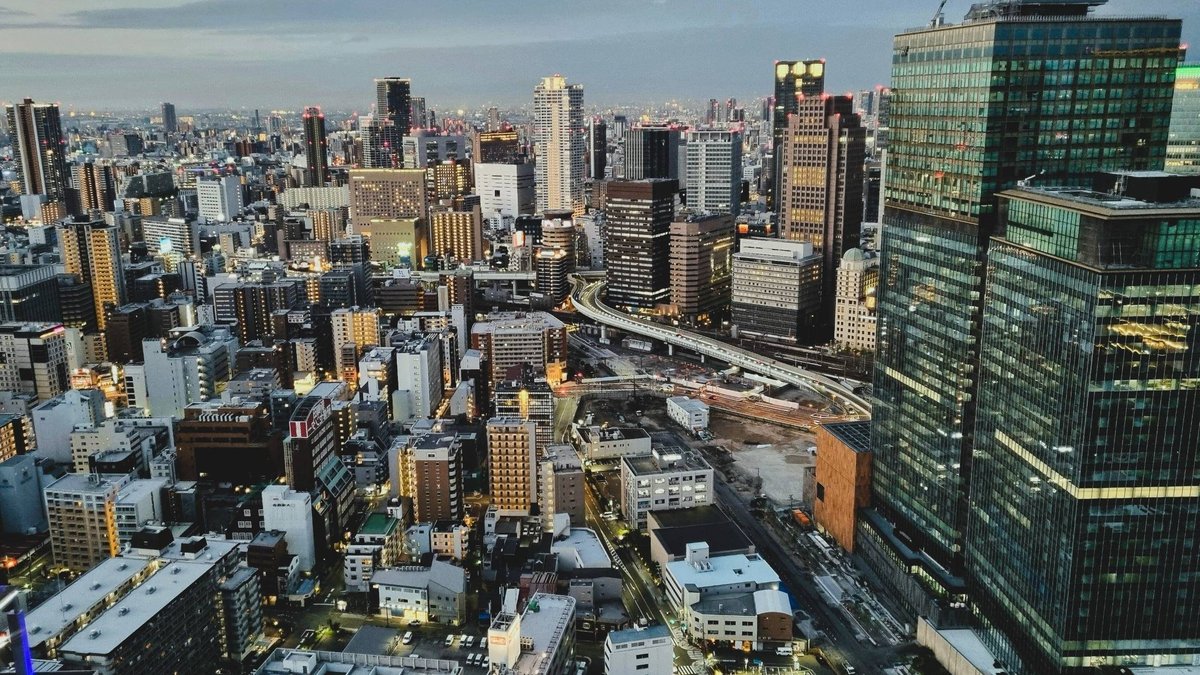
Singapore property investors are increasingly looking at Osaka as a destination for new assets, drawn by rental yields that top 5% in some districts while yields in Singapore hover around 2%-3%.
Yield gap and currency advantage
Data from a recent market report show that residential yields in Osaka can reach 5% in prime locations, compared with the typical 2%-3% earned on Singapore rentals.
The yen’s depreciation against major currencies has lowered the effective purchase price for foreign buyers, making Osaka-based assets appear cheaper on a Singapore dollar basis.
Bank of Japan policy keeps borrowing costs low, and the spread between loan rates and rental income remains attractive for investors seeking higher cash flow.
Demand drivers and policy backdrop
Local renters are staying in the market longer as home-ownership becomes less affordable, sustaining occupancy levels across the city.
New condominium supply in Osaka has fallen to its lowest point in more than ten years, tightening the market and pushing rents upward.
Major projects such as the planned MGM Osaka integrated resort, slated for a 2030 opening, are expected to boost visitor numbers and short-stay accommodation demand.
Neighborhoods like Minamisemba, near Shinsaibashi, have seen some of the highest price points, including a former Tokyu Hands building earmarked for luxury residential conversion.
Investment in Japanese rental housing hit a record JPY 904.3 billion (about S$7.34 billion) in 2025, according to CBRE Japan data.
Foreign buyers face no additional stamp duties and receive the same ownership rights as locals, removing a barrier that exists in many neighboring markets.
Regulatory changes require non-resident purchasers to report acquisitions within 20 days and disclose nationality, but officials say these steps will not deter demand.
Institutional interest is evident. City Developments Ltd bought a 256-room hotel in Osaka’s Shinsaibashi area for JPY 8.5 billion (S$78.5 million) in August 2023 and sold it to Blackstone for JPY 14 billion (S$117 million) in 2025.
Blackstone’s broader Japan hotel portfolio now exceeds $1.3 billion, with recent acquisitions including the Nest Hotel Osaka in 2024, located a five-minute walk from the city’s main retail zone.
Orix JREIT paid JPY 5.3 billion (S$43 million) for the 48-key Mimaru Osaka Shinsaibashi East property in 2025, setting a record price for a single-unit acquisition.
Official land-price surveys for 2026 indicate that residential parcels in Chuo Ward rose about 9.6%, the second-largest gain among Osaka’s 24 wards.
FMI Japan’s latest offering, The Peak Shinsaibashi Sho JY, comprises 24 compact units of 279 sq ft each, with balcony options of 41 sq ft or 74 sq ft, and sits an eight-minute walk from Shinsaibashi Station.
Related Post: Singapore Buyers Cut Loans, Raise Down Payments
The developer’s second project, The Peak Osaka Castle, features 25 freehold units ranging from 269 sq ft to 272 sq ft, priced from S$396 000, and is positioned near Tanimachi 6-chome subway station and Osaka Castle Park.
To showcase these projects, FMI Japan will host a travel and property expo on November 7-8 at the Moor & Morrison Room, Raffles City Convention Centre, featuring seminars on tax advisory and Japan investment.
Tourism boost and short-stay market
Rising international arrivals during the year-end holiday season are turning Osaka into a top destination for Singaporean travelers.
Visitors are drawn to the city’s food, culture and shopping, creating steady demand for short-stay accommodation.
Short-term rentals benefit from lower entry prices for centrally located apartments, which in turn lift overall rental yields.
Demand spikes are especially evident around the Dotonbori district, known for its nightlife and culinary scene.
Commercial land that typically hosts B&B operations has risen by roughly 15% over the past year, according to local surveys.
At a benchmark site in Dotonbori, land values jumped 25% in a single year, reflecting investors’ confidence in the short-stay segment.
Business travellers also prefer quiet residential blocks within walking distance of train stations, adding a stable tenant base.
Institutional activity and new developments
Increasing institutional capital is flowing into Osaka’s prime neighborhoods, with many funds targeting properties near Shinsaibashi.
Amous Lee, CEO of FMI Japan, notes that multinational corporations and family funds are concentrating on high-yield assets in the area.
Lee highlighted the upcoming MGM Osaka integrated resort, slated for a 2030 opening, as a catalyst for another wave of acquisitions.
Units range from 269 sq ft to 272 sq ft, each featuring a balcony of 37 sq ft to 48 sq ft.
Completion is scheduled for April 2028, offering investors a near-future supply of freehold residences.
Located an eight-minute walk from Shinsaibashi Station, the development includes a ground-floor shop to serve local office workers.


