Fondue vs. Raclette: Cheese Lovers’ Ultimate Debate
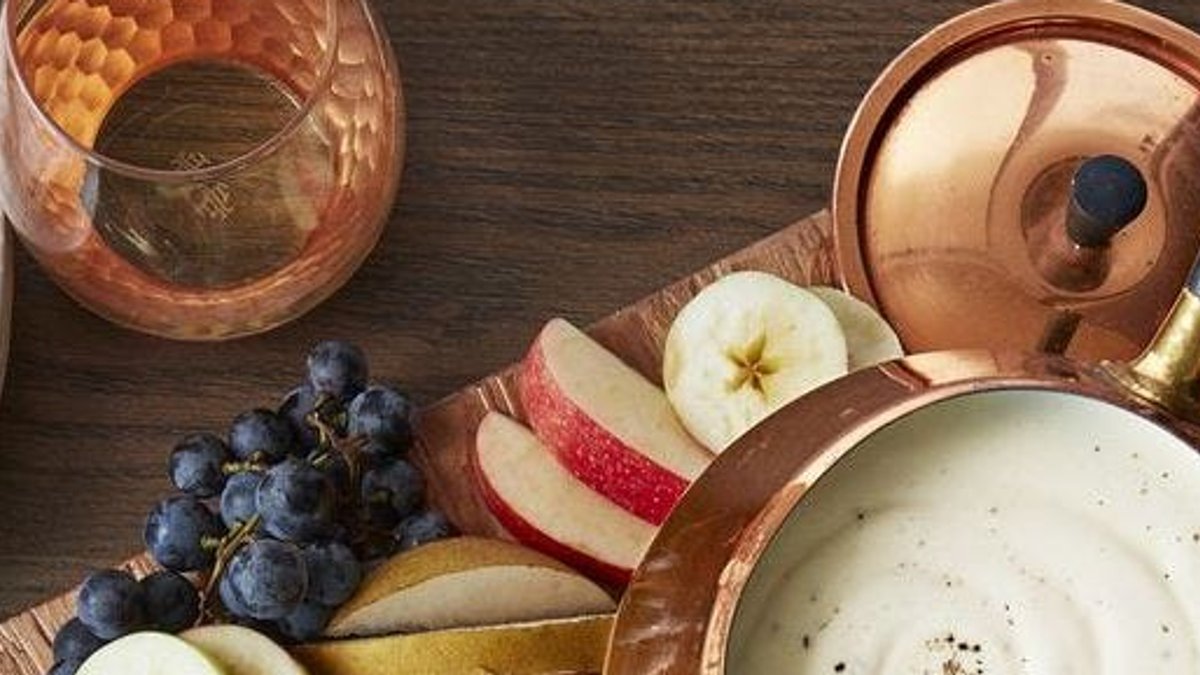
Winter is melted cheese time. Two Northern European dishes, fondue and raclette, dominate the season. Both are warm, shareable, and simple to prepare at home. With the 2026 Winter Olympics showcasing alpine scenery, now is the perfect time to indulge in these cozy, cheesy traditions.
Fondue: The Original Communal Melt
Fondue dates back to the 18th century in the Swiss Alps. Large families would melt aged cheese in a pot, dipping stale bread into the softened mixture. This practice emerged as a way to use up hardened bread and preserve cheese during the long, cold winters. The dish’s communal nature supported a sense of togetherness, making it a staple in alpine households.
Today, fondue is more refined. Cheeses like Emmental or Gruyère are mixed with white wine, garlic, or kirsch—a cherry brandy. The cheese is melted in a special pot, often heated by a candle or electric element. This setup ensures a consistent temperature, keeping the cheese smooth and dip-worthy throughout the meal. The process of preparing fondue has become an art, with variations in ingredients and techniques adding a modern twist to this classic dish.
Diners use pointed sticks to dip various items into the cheese. Popular choices include crusty bread, meat, and pickled vegetables. The key to a successful fondue lies in the balance of flavors and textures, with the cheese acting as a rich, creamy base. Fondue’s versatility allows for creativity, making it a favorite for gatherings where guests can experiment with different pairings.
Read Also: Family Sunscreen Tested: Zero White Cast
Raclette: The Cheese That’s Meant to Be Scraped
Raclette is an older Swiss tradition, likely originating in the 12th century. Its name comes from the French verb “racler”, meaning “to scrape.” Alpine herders would carry wheels of cheese and melt them by the fire, scraping the softened layer onto bread or potatoes for a hearty meal. This method of preparation was practical for their nomadic lifestyle, as it required minimal equipment and ingredients.
Raclette involves melting a wheel of cheese layer by layer, then scraping it onto cornichons, pickled onions, or roasted potatoes. Unlike fondue, raclette is typically made with a single type of cheese, often a savory and funky variety. The cheese’s distinct flavor profile complements the acidity of the pickles and the earthiness of the potatoes, creating a harmonious dish.
According to Murray’s Cheese, there are several flavor varieties of raclette. One example is Raclette de Compton au Poivre, which features pink peppercorns studded through the middle, adding fruity, floral, and spice notes. These variations allow raclette enthusiasts to explore different taste experiences while staying true to the dish’s traditional roots.
Serving Fondue and Raclette at Home
Both dishes are easy to serve at home, either as an entrée or appetizer. A fondue pot or raclette grill is required. Raclette is traditionally melted by fire, but modern raclette machines or small cast iron grills heated by candles, stovetop, or electricity are also used. These tools make it accessible for home cooks to recreate the authentic experience without needing an open flame.
Read Also: Seafood Cooking Mistakes and How to Fix Them
When preparing a cheese party, offer a variety of accoutrements. Options include cubed sourdough, pickled vegetables, roasted potatoes, apple slices, and even waffle cones. Guests can bring their own items to dip or smother in cheese, adding a fun twist to the experience. This interactive element encourages creativity and makes each gathering unique.
Historically, fondue’s communal nature made it a practical choice for large families, while raclette’s portability suited alpine herders. Today, both dishes are celebrated for their ability to bring people together, though raclette’s hands-on scraping can be messier than fondue’s dipping. Despite their differences, both dishes share a common goal: supporting connection through shared, indulgent meals.
Pairing Drinks with Melted Cheese
The typical drink pairing for fondue and raclette is white wine or a light red. The acidity of these wines cuts through the richness of the cheese without overwhelming its flavor. Non-alcoholic options like lemonade or hibiscus iced tea are also suitable. These beverages provide a refreshing contrast to the heavy, creamy textures of the cheese dishes.
When hosting a cheese party, ensure you have plenty of cocktail napkins for drips. Encourage guests to experiment with different pairings, creating a memorable and enjoyable experience. Whether it’s a traditional wine or a creative non-alcoholic option, the right drink can raise the flavors of fondue and raclette, making every bite and sip a delight.


