Seafood Cooking Mistakes and How to Fix Them
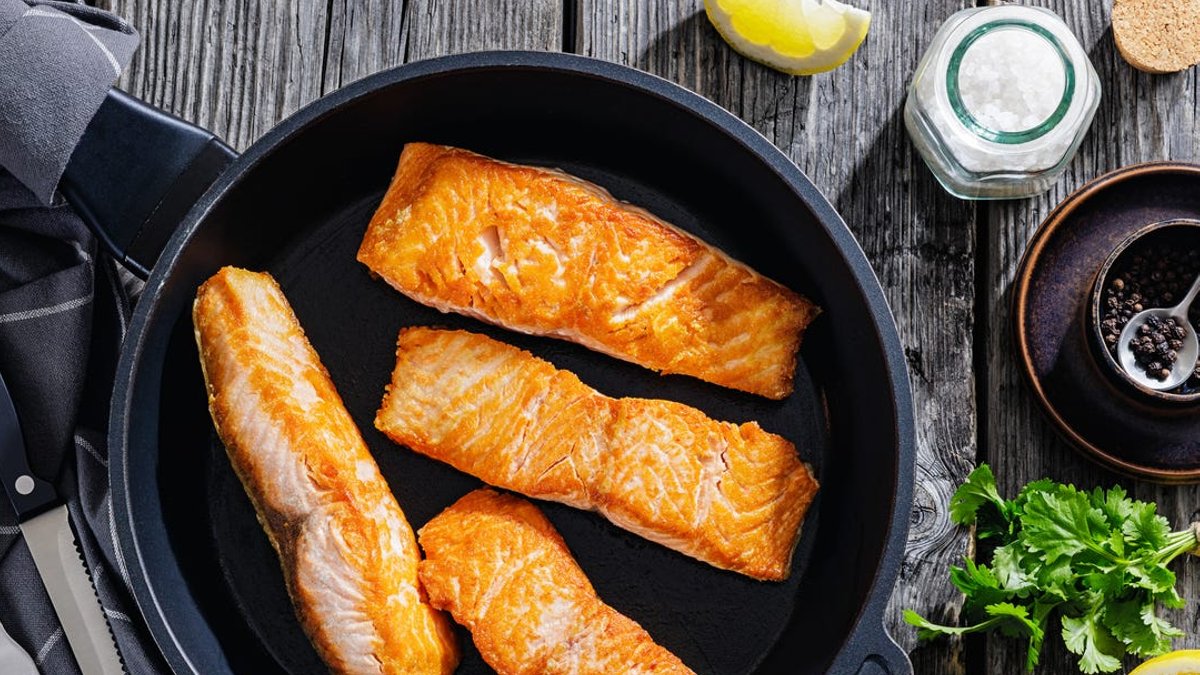
Seafood cooks faster than most proteins, and that speed can work against home cooks who don’t adjust their technique. A pan of salmon or a pot of shrimp can go from perfectly done to dried out in seconds, leaving even confident cooks wondering what went wrong. The fix usually comes down to understanding a handful of principles that professional kitchens treat as basic rules.
Timing Is Everything
Unlike steak or chicken, seafood often finishes cooking in just a few minutes. That narrow window means there’s little room for error once the heat is on. ““That makes it convenient, but also less forgiving: there’s a very narrow window between perfectly cooked and overdone,” said Tina Martinez, a food producer at Good Housekeeping. “Once fish or shellfish is overcooked, it can dry out or become tough and rubbery quickly.”
The solution involves trusting carryover cooking. Martinez recommends removing seafood from the heat while it still looks slightly underdone. The residual warmth will finish the job as the food rests. For those who prefer certainty, a food thermometer removes guesswork entirely. Fish should reach an internal temperature of about 145°F, according to the FDA, though the flesh will appear opaque and flake easily before it hits that number.
Martinez suggests checking seafood early and removing it from the heat just before it’s fully done. This allows the carryover cooking to finish the job and ensures that the seafood doesn’t become overcooked. She also emphasizes that fish is delicate and usually doesn’t take as long to cook as one might think.
Reading the Signs
Visual and textural cues vary depending on what you’re cooking. Susan Choung, a senior food editor at Good Housekeeping, notes that thickness and cooking method change how quickly seafood finishes. Shrimp should turn pearly and opaque, curling into a loose C shape. If they curl into a tight O, they’re overdone. Lobster meat looks opaque and feels firm when ready, but can turn tough within seconds of reaching that point.
For shellfish like clams and mussels, the shells tell you everything. They open when cooked; any that stay closed should be discarded. Scallops need a golden-brown crust on the outside while the center stays tender when pressed gently. Fin fish flakes easily with a fork and the flesh appears opaque throughout.
Nicole Papantoniou, senior director of the Good Housekeeping Kitchen Cooking Lab, advises starting temperature checks earlier than expected. “Fish is delicate and usually does not take as long to cook as one might think,” she said. A thermometer takes the guesswork out of that timing, especially for thicker cuts where the outside can look done while the middle remains raw.
Getting the Pan Right
Two common mistakes with cookware can undermine even careful timing. First, crowding the pan traps moisture and prevents browning. Each piece of fish needs breathing room so steam escapes and the surface can sear properly. When in doubt, cook in smaller batches rather than stacking fillets together.
Second, adding fish to a cold pan invites sticking. The pan should be hot before oil goes in, and the moment seafood hits the surface, there should be an immediate sizzle. Let the fish cook undisturbed until a browned crust forms and the protein naturally releases. For boiling or poaching, the sizzle test doesn’t apply—instead, focus on maintaining the right liquid temperature and watching for doneness cues specific to each type.
Before cooking, pat seafood dry with paper towels. Moisture on the surface steams instead of sears, leaving you with a pale, soft result instead of a crisp exterior. This matters most for skin-on fish, where achieving crispy skin requires a dry surface, high heat, and patience. Thick fillets and whole fish need extra attention to timing, as do cuts like tuna that some prefer served medium-rare.
Playing It Safe
Medium-rare tuna doesn’t reach the 145°F FDA recommendation for fin fish. Anyone pregnant, older, immunocompromised, or otherwise at higher risk for foodborne illness should avoid undercooked seafood entirely. These guidelines exist for good reason, even if they conflict with restaurant preferences or recipe suggestions.
Mastering seafood takes practice, but the basics are straightforward. Focus on doneness first—learn what properly cooked fish looks and feels like before moving to more demanding preparations. Once you understand the timing and cues, the rest follows naturally.


