Design Trends Highlighted for 2026
The design world in 2026 is leaning heavily into a specific type of memory. Rather than looking toward the distant past or the far future, designers are fixating on the hedonistic, tactile moments of the 1970s. This year’s major exhibitions and product launches reflect a collective desire to return to a time of leisure and excess. The evidence is visible everywhere, from the silverware in Milanese showrooms to the furniture popping up in living rooms.
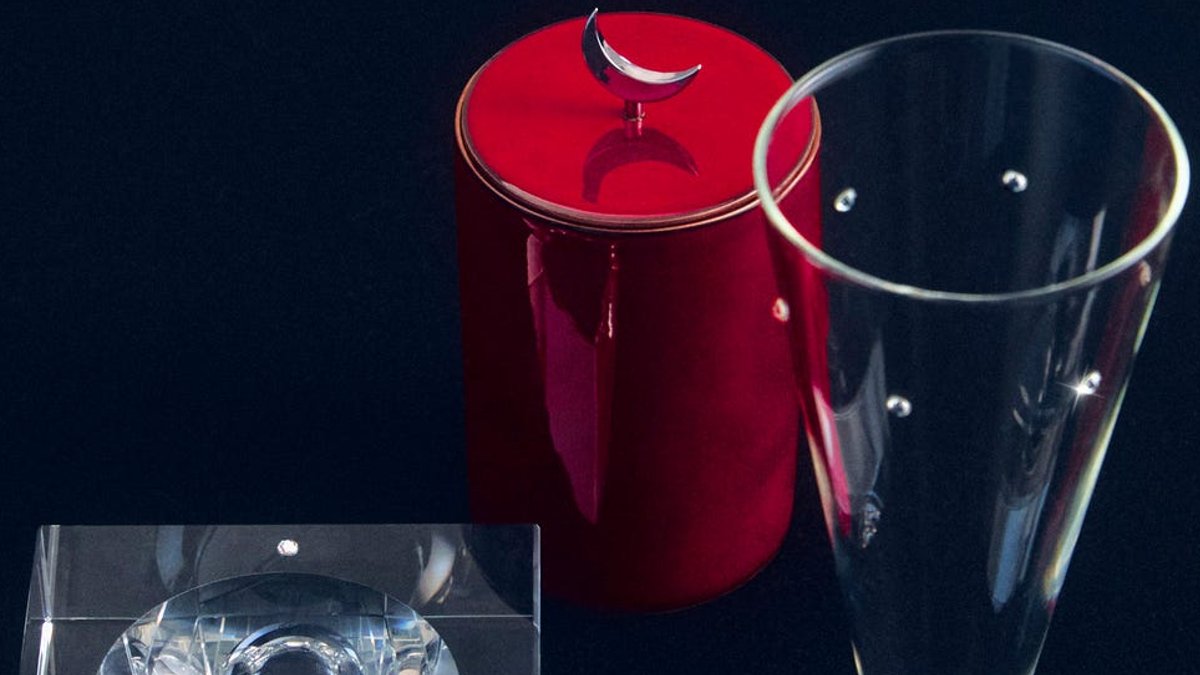
This nostalgic wave is not subtle. It is loud, colorful, and unapologetically pleasurable. Sophie Lou Jacobsen’s ‘Disco Aperitivo’ collection captures this mood perfectly, featuring sparkling glasses and plates that suggest a night out at Studio 54. The “bad habit” of smoking has also returned to the forefront, with ashtrays making a design moment alongside cocktails and caviar spoons. This is a deliberate choice to celebrate the pleasure-seeking side of the era rather than its political or social struggles.
A return to excess
Fashion houses are helping drive this trend. Chloé reissued the 1970 ‘Tomato Chair’, a piece that has become a camp favorite. Ligne Roset brought back the 1976 ‘Kashima’ sofa, known for its sexy, squashy silhouette. At 3 Days of Design in Copenhagen, Hay revived the ‘X-Line Chair’ by Niels Jørgen Haugesen. While one is soft and rounded, the other is sharp and angular, they share the same DNA of immediate recognition and comfort.
Related: Great homeware buys on the high street
Sculptural sound
It is not just furniture getting a facelift; technology is being treated as art. Speakers and turntables are no longer hidden behind cabinets or inside boxes. They are becoming sculptural centerpieces. This shift aligns with a broader movement where high-end audio equipment mimics the look of fine art objects.
At Milan design week, sound artist Devon Turnbull collaborated with Klipsch on the ‘kO-R2’, a chunky speaker that mixes old-school wood with aluminum. Bang & Olufsen released the ‘Beosound Haven’, a quartzite outdoor speaker that aims to look as good as it sounds. Studio Hall Haus drew inspiration from the 177-year-old archive of Moynat to create stackable trunk-like speakers. The goal here is to merge the utility of sound with the permanence of sculpture.
Marble and the digital
The use of stone has shifted from classic columns to unexpected, sculptural forms. Christophe Delcourt’s ‘Zaho’ table for Baxter features legs that unfurl like book pages. Minotti’s ‘Blaine’ table was inspired by Henry Moore’s sculptures, proving that the material is still relevant for high-end statements. Kiki Goti’s ‘Aether’ collection used marble in box-office gold ways, particularly a table with scalloped edges that challenged the material’s traditional use.
There is a clear contrast between the heavy permanence of marble and the ephemeral nature of digital culture. As gaming culture becomes more integrated into home life, designers are creating spaces that accommodate both. The resurgence of board games and the creation of immersive, playful installations suggest that the home is becoming a place for active engagement rather than passive consumption. This creates a unique tension in modern interiors: the desire for organic, tactile materials mixed with digital-age leisure activities.
Related: Retro Revival Uncovers Best of 1970s Brick Home
Playful patterns and history
Pattern is making a massive comeback, but it is doing so in sophisticated ways. Marimekko’s poppy-colored cups and plates at the Osteria Grand Hotel proved that fun is on the menu for cafés. However, not everyone wants all-out color. Natalia Criado’s collaboration with Laboratorio Paravicini offers a more minimal take on patterned ceramics, balancing the two approaches.
Bookshelves are also evolving. Kartell collaborated with Patricia Urquiola on the ‘Lepid’ range, which looks like deconstructed hashtags. Porro presented the ‘Ryo’ shelving unit, created by folding a single sheet of aluminum. These pieces suggest that storage is no longer just about utility; it is about display and architectural interest.
Industrial revival
The industrial boom of the 1920s has once again become a source of inspiration. The metal-frame tubular chair is back in a big way. Cassina reissued the ‘CH66’ by Nicos Zographos, while Thonet presented a reinterpretation of Marcel Breuer’s ‘S62’ chair in collaboration with Jil Sander. Flexform’s ‘Avalon’ by Antonio Citterio offers a chunkier, cushioned take on the concept, while Gubi’s ‘Copacabana’ chair adds an extra-bendy metal frame in bright orange.


