Common Scalp Conditions Lead to Bumps and Itch
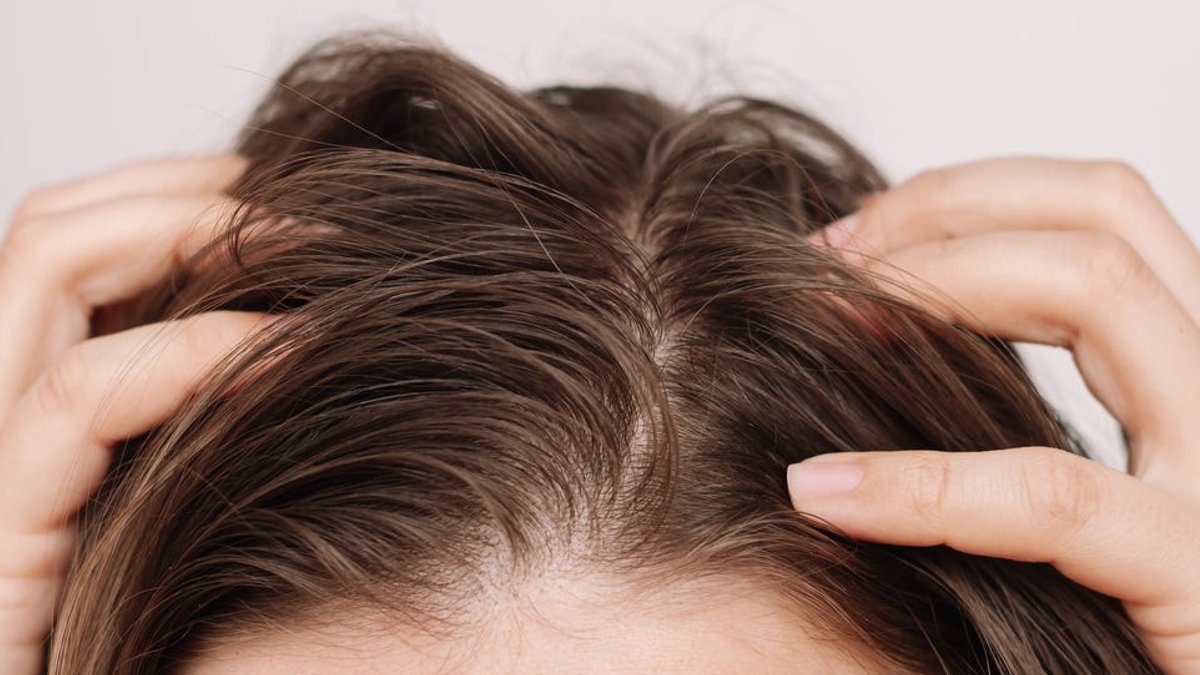
Scalp conditions can cause bumps, itchiness and even hair loss, affecting millions of people worldwide. Dermatologists say that recognizing the specific problem is the first step toward effective treatment, because the skin on the scalp behaves differently from skin elsewhere on the body.
Common culprits behind an irritated scalp
Head lice are tiny insects that live in hair and feed on blood. They spread mainly through head-to-head contact, especially among children. Nits appear as tiny white shells attached to hair shafts, while adult lice look like sesame seeds. Over‑the‑counter shampoos and fine‑toothed combs usually clear an infestation; prescription medicines are available if needed.
Lichen planus is an inflammatory disorder that can affect the scalp, producing small purple or red bumps that sometimes lead to hair loss. The exact cause is unknown, though triggers may include certain medications, hepatitis C infection or genetic factors. Treatment options range from topical corticosteroids to light‑based PUVA therapy.
Seborrheic dermatitis, often called dandruff, shows up as greasy scales and flaky patches. A yeast called Malassezia is thought to play a role, and it can worsen with stress, cold weather or certain health issues. Prescription‑strength ketoconazole shampoo, applied directly to the scalp before rinsing, is a common recommendation, followed by a moisturizing shampoo to avoid dryness.
Psoriasis affects about 1‑2 % of the population, and up to half of those patients see scalp involvement. The disease creates dry, silvery‑scaled plaques.
They can itch or bleed.
Related: Experts Recommend Four Home Features for Simpler Living
Topical steroids are first‑line therapy, while biologic injections may be used for severe cases. A gentle hair‑care routine, such as less frequent washing, can also reduce flare‑ups.
Less obvious but still common scalp problems
Folliculitis is inflammation of hair follicles, appearing as pus‑filled bumps that may be tender. Bacterial or fungal infections, harsh hair products, or excessive sweating can trigger it. Doctors may prescribe topical or oral antibiotics, or anti‑inflammatory steroids if no infection is present.
Hair loss can stem from genetics, hormonal shifts, nutritional deficiencies, stress or medical conditions. A recent survey of COVID‑19 survivors found that 68 % reported post‑infection hair shedding, highlighting how systemic illness can impact scalp health. Treatments include topical minoxidil, hormonal blockers like spironolactone, or platelet‑rich plasma injections.
Cysts on the scalp are usually benign, feeling like smooth, marble‑sized lumps under the skin. Most are genetic and cause no trouble unless they become infected. In such cases, a dermatologist may drain the cyst or perform a minor surgical removal under local anesthesia.
Ringworm, medically known as tinea capitis, is a contagious fungal infection that produces scaly, round patches and sometimes bald spots. Children are most often affected, but adults can contract it from pets or shared items.
Related: Katie Lee Biegel’s New Project Moves Fans to Tears
A typical course of oral antifungal medication for four to six weeks clears the infection, and it stops spreading after two days of treatment. For more details, see the Mayo Clinic overview.
Allergic contact dermatitis results when the scalp reacts to an allergen such as hair‑dye chemicals, fragrances or certain shampoo ingredients. Symptoms include itchy redness that may ooze. Identifying the trigger often requires a patch test, after which topical steroids are applied for two to three weeks to calm inflammation.
While each of these conditions has distinct signs, they frequently overlap, making self‑diagnosis unreliable. A board‑certified dermatologist can examine the scalp, run appropriate tests and tailor a treatment plan that addresses the underlying cause rather than just the symptoms.
In practice, the sheer variety of scalp issues means that a one‑size‑fits‑all approach rarely works. Even when a condition appears straightforward, factors like skin type, existing health problems or recent medication changes can alter how it presents and responds to therapy. Patients who notice persistent itching, flaking or bumps should seek professional evaluation sooner rather than later.
According to the National Institutes of Health, maintaining a healthy scalp improves the likelihood of robust hair growth. Simple measures—such as using gentle shampoos, avoiding excessive heat styling, and managing stress—can support scalp health and may prevent some of the more serious conditions from taking hold.


