Mecca Coffee shop opens in heritage space
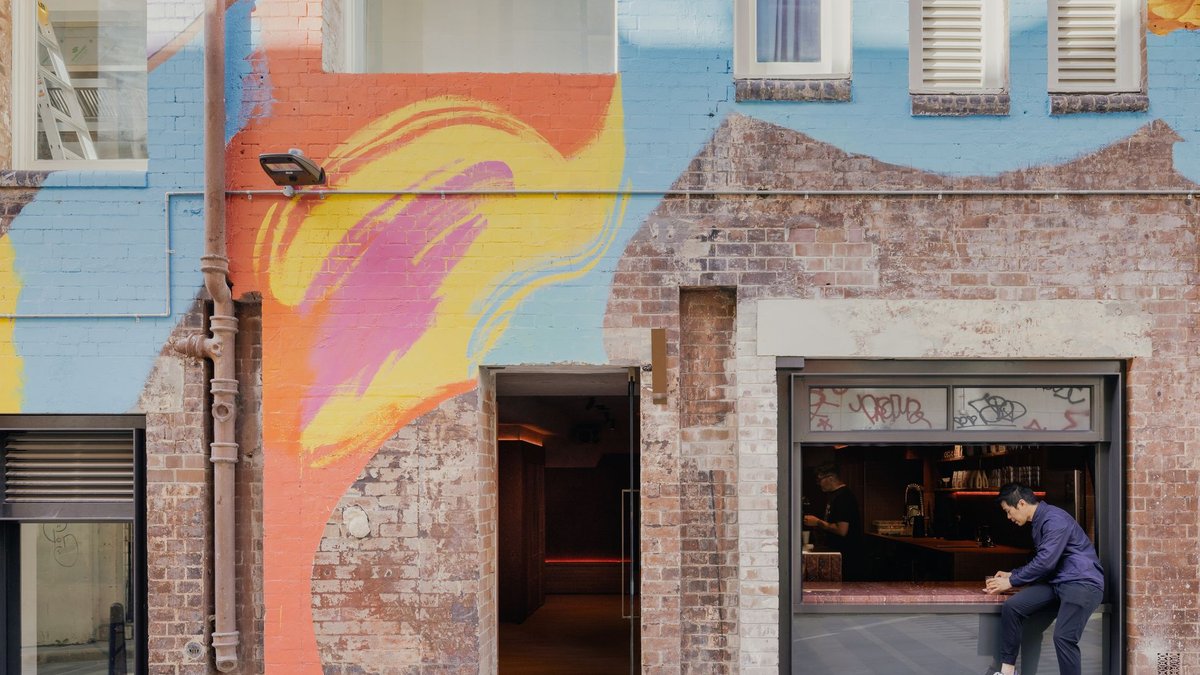
Mecca Coffee Foley Street, designed by Killing Matt Woods, is a 45 square metre heritage-listed space with low ceilings and restricted natural light. The space was transformed into a unique coffee shop, with the designer turning the list of challenges into the brief.
The walls are clay-rendered and embedded with timber fibres, giving the impression of excavated red earth. The central counter is made from a block of Pilbara red dolomite, transitioning from rough to smooth along its length.
Design and Atmosphere
The design of the space is characterized by its use of natural materials and its ability to create a sense of intimacy. The atmosphere is warm and welcoming, with restrained detailing and low light slowing down the pace of the space.
The space also features a magnificent orb at the rear, designed as a counterpoint to the earth-based palette. The orb evokes the warmth and energy of the Australian sun, and its tuneable light allows the room to change throughout the day.
Innovation and Methodology
The innovation in this project lies in its methodology, rather than its visual outcome. The design was shaped by three key ideas: the heritage fabric of the building, the vernacular architecture of Indigenous Australia, and the subterranean dwellings of Coober Pedy.
Research into Aboriginal shelters and structures informed the design, with a focus on architecture shaped by place, climate, resourcefulness, and a strong connection to the environment. The Coober Pedy dugouts were a principal reference point, with their underlying principles of shelter, material honesty, and connection to the earth carried across into the design.
The result is a space that feels intimate and welcoming, rather than confined. The atmosphere is exceptional, with hospitality experienced rather than just delivered. The project argues that exceptional hospitality design is measured not by scale or spectacle, but by its capacity to shape behaviour and create a lasting emotional experience.
Matt Woods has successfully created a space that is both tactile and atmospheric, in a room that many would have considered impossible to work with. The design demonstrates the power of careful synthesis of research, culture, and context, and proves that constraints can often be the reason for good design, as they force designers to think creatively and come up with innovative solutions.


