Eden Project marks a quarter century
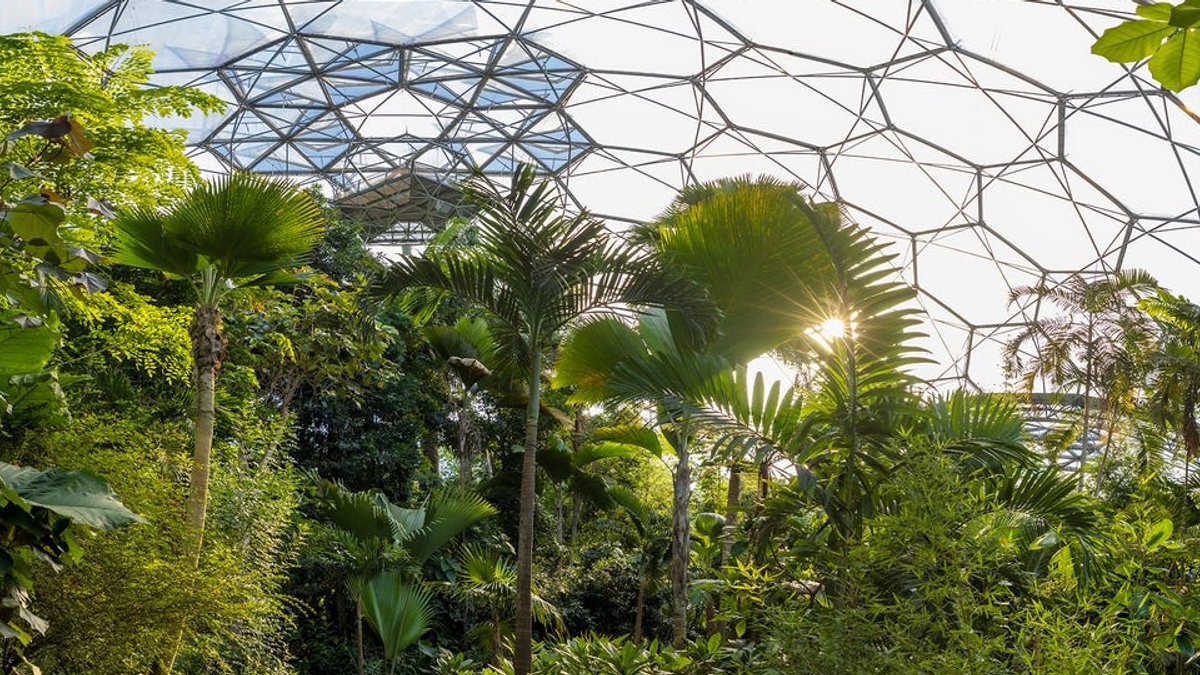
The Eden Project, a botanical garden in Cornwall, has been a symbol of sustainability and environmentalism for 25 years. Opened in 2001, it was founded by Tim Smit with the mission to illuminate our reliance on nature and demonstrate solutions to environmental problems.
The project was born out of a barren 60-metre-deep pit in a former china-clay quarry, which had ceased operation after 160 years. The 1990s saw rampant road building and degrading peatlands, triggering grassroots environmentalism as climate change hit the global stage.
Dr Jo Elworthy, chief science engagement officer at the Eden Project, reflects on its genesis, saying, “There was a real mood shift going on.” During the 1990s, the concept of sustainability was entering the public consciousness.
Elworthy was making TV shows about organic gardening and interviewed Smit, who invited her to join him on the Eden Project. Around the same time, Smit sat down with a small group of architects, including Andrew Whalley of Grimshaw, to discuss the project’s design.
Related: Bistro sets are summers hottest furniture trend
Whalley, a sci-fi lover who had studied the 1960s geodesic domes of Buckminster Fuller, began sketching on a napkin and imagining amphitheatres, ice-rinks, and skywalks. He used new three-dimensional-design software to map the quarry’s topography and domed architecture.
The Eden Project’s lightweight hexagonal steel structure frames hundreds of ETFE plastic pillows across two main biomes, with the largest stretching 200 metres across and 50 metres high. It integrated water harvesting and energy efficiency, making it an example of regenerative architecture.
Whalley attributes the architecture’s enduring appeal to the organic science of the bubble, saying, “Nature always does things optimally and that, I think, gives it inherent beauty and elegance.”
The project has had more than 25 million visitors and has influenced school curriculums and university courses. Many people who visited as children have been inspired to pursue careers in environmental science, sustainability, and horticulture.
Andy Jasper, chief executive officer since 2024, explains, “It’s 25 years old, yet it still holds that futuristic look and feel.” The project has hosted stars and global events, and since 2022, climate leaders have gathered for the annual Anthropy conference.
Related: Designers Gather at NeoCon in Chicago
Smit’s founding pillars of Eden have stayed the same since 2001, yet the tech and globalisation of the 21st century have expanded its reach. Now, digital platforms amplify the project’s education and research.
Dr Elworthy says, “There is fear,” but remains optimistic about tackling today’s battles, mainly climate change and biodiversity loss. As Elworthy says, “That’s always been our mission, but it’s all the more urgent today.” The project’s influence on UK government policy through the Biodiversity Net Gain initiative and the National Wildflower Centre shows its lasting impact.
The Eden Project’s focus on sustainability and environmentalism will continue to inspire new generations. With its unique blend of education, research, and community engagement, the project remains a powerful symbol of what can be achieved when people come together to address the world’s most pressing environmental challenges.
It still inspires.


