Overcrowding the pan prevents bacon from crisping
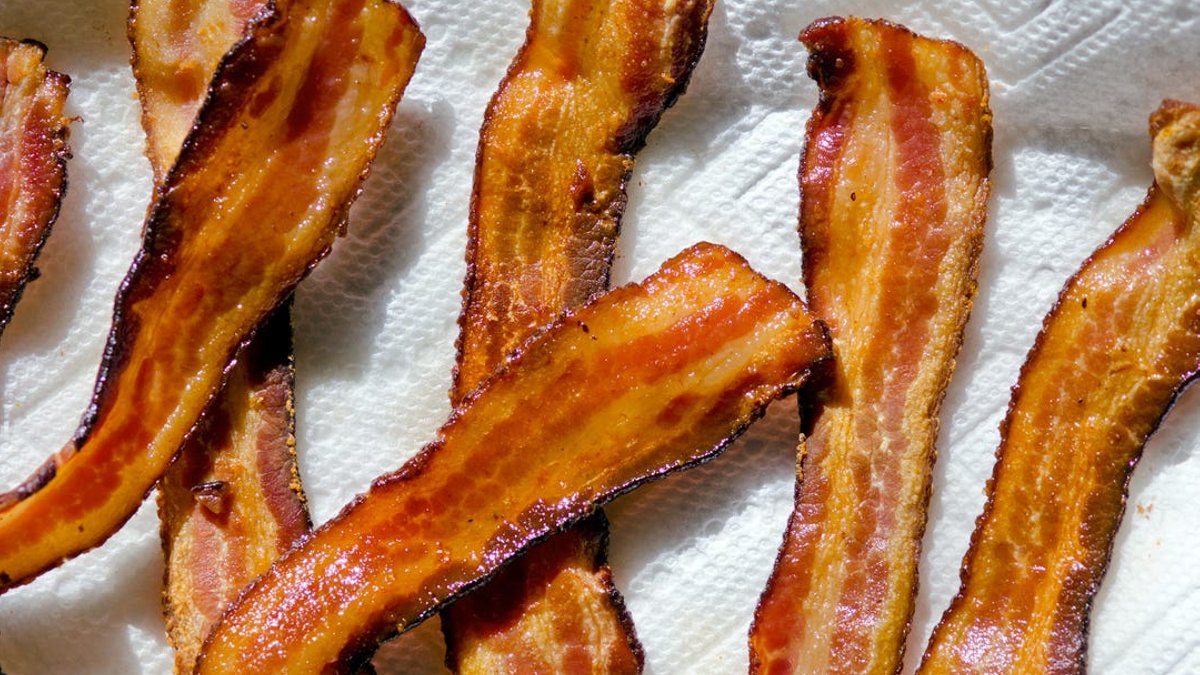
Baking bacon is one of the easiest ways to get evenly crisp strips, especially when you’re cooking a lot at once. But there’s one common mistake that can stand between you and perfectly crispy bacon: overcrowding the sheet pan. When bacon is packed too tightly or the strips overlap, some areas may not cook as evenly as others. Giving each strip enough room—and knowing when to rearrange the bacon as it cooks—can help you get a more consistently crisp batch.
Related: Andres Serves Up Grilled Rib Eye Steaks
If you’re on team crispy bacon, resist the urge to squeeze every last strip onto a single sheet pan. The strips can sit close together—they’ll shrink as they cook—but they shouldn’t overlap. When bacon overlaps, the covered sections don’t cook as evenly, which can leave you with softer, flabbier spots instead of strips that are crisp from end to end. This can easily become an issue when you’re cooking a full pound of bacon, which is the weight of a standard package. Depending on the size of your sheet pan and the thickness of the bacon, all of those strips may not comfortably fit in a single layer. Rather than cramming them onto one, divide the bacon between two rimmed baking sheets or cook it in batches. If you only need half the package, freeze the remaining uncooked bacon for another time.
For easier cleanup, line your sheet pan with aluminum foil or parchment paper before laying out the bacon. You can also cook the strips on a wire rack set inside the sheet pan, but it isn’t necessary. Whichever setup you choose, the key is simple: Keep the bacon in a single layer and give every strip its own spot on the pan.
Related: Sofitel London embraces 70s-inspired interiors
Even if you’ve given your bacon plenty of room on the sheet pan, don’t assume every strip will cook at the same rate. Most ovens have hot spots, which means certain areas of the pan may get more heat than others. You may notice, for example, that the bacon around the edges of the sheet pan starts browning and crisping before the pieces in the center. Instead of waiting for the entire batch to catch up, use those visual differences as your cue to rearrange the bacon. If the outer strips are browning faster, swap them with some of the less-cooked pieces toward the center. There’s no need to rotate the entire sheet pan; simply reposition individual strips as needed so they have a chance to cook more evenly. Keep an especially close eye on thicker-cut bacon, which generally takes longer to cook and may require a little more rearranging along the way. And if one strip reaches your preferred level of crispness before the others, go ahead and remove it from the oven. Bacon doesn’t have to come out of the oven all at once.


