Morris Lum Captures Soul of Chinatowns
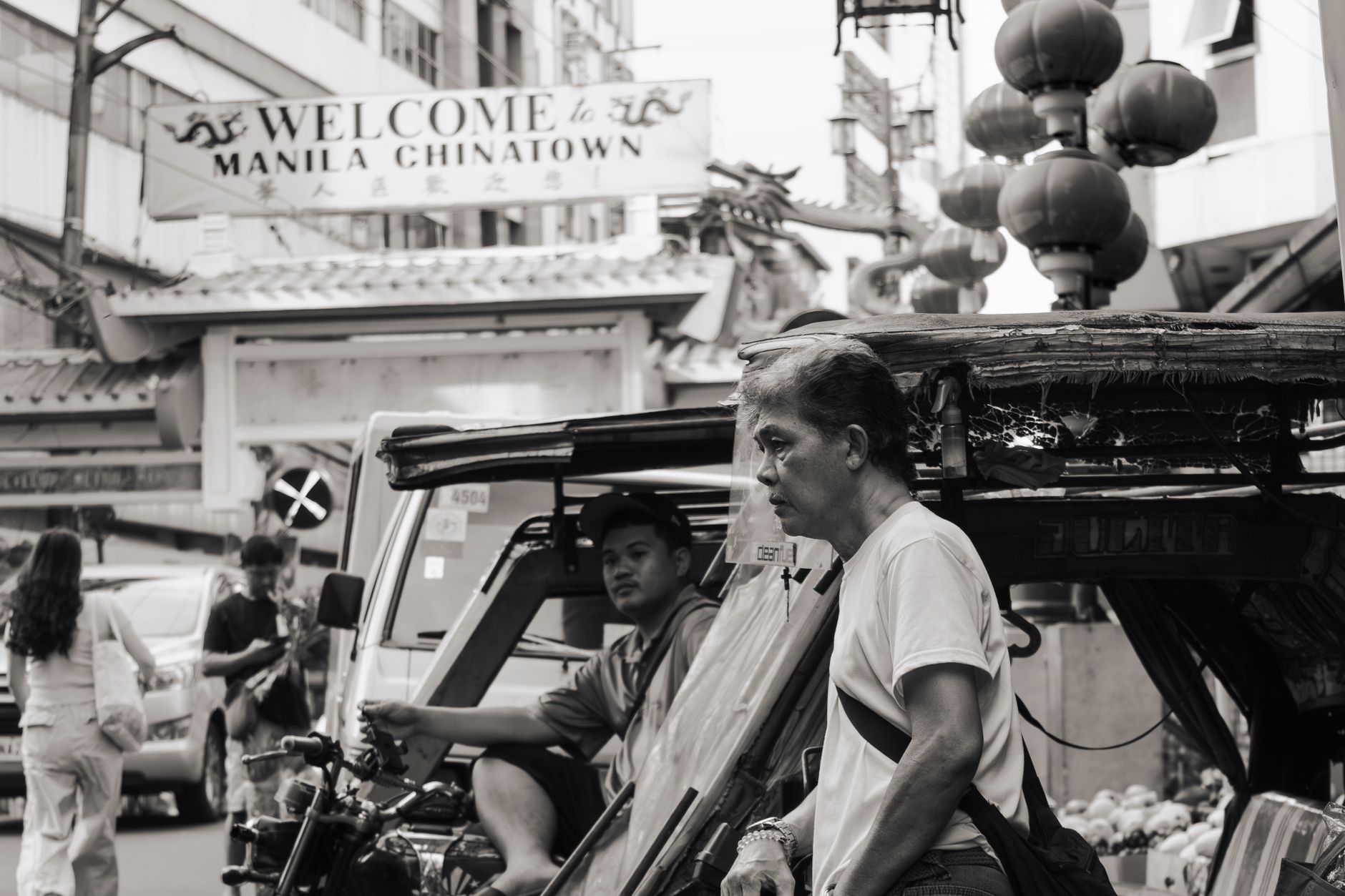
Photographer Morris Lum is bringing a new focus to North American Chinatowns through his new book, Chinatowns: Tong Yan Gaai. The project spans 16 cities across the continent, capturing the streets, temples, and quiet back alleys that make up these communities. [1]Milan Design Week Unveils Seven Sustainable Innovations explores similar themes of cultural preservation and urban evolution.
More Than Just Red Lanterns
The photographs in the collection span from 2012 to 2024, covering destinations like Toronto, Vancouver, San Francisco, Los Angeles, and New York. Lum’s images move beyond the typical postcard views of stylized pagoda roofs and hanging red lanterns. The book includes shots of benevolent societies, vacant shopping malls, kung fu clubs, and alleyways that are usually off-limits to the public. A shot of an insurance office with sky-blue wallpaper and mirrored walls stands in contrast to the more traditional facades.
Visually, the photos are loosely arranged by theme to create a sense of movement. Lum described his process while photographing in Toronto: “I was thinking about how you would move in a Chinatown—You’re walking down the street and ‘Oh, here’s a shop, maybe I’ll jump inside for a minute and then come back out,’ then you go to the next space.”
While the camera doesn’t show people, the images convey a strong sense of presence. Framed photos on a wall show the people who once gathered there, while a restaurant sign represents the effort of a business owner. Flowers on an altar offer a quiet moment of respect for those who have passed. Even an empty construction site, seen in one diptych, tells a story of change and time.
The Weight of the Camera
Every image in the book was created using a large-format film camera. This method is widely considered the most intensive way to capture photographs today. The equipment is heavy and requires significant setup time. Unlike digital cameras, large-format film must be processed and developed before an image can be seen, adding a layer of physical labor to the artistic process.
The choice to use this old-fashioned technology feels intentional. Chinatowns are often reduced to stereotypes of cheap goods and tourist traps in the public imagination. By using a medium known for its sharp detail and permanence, Lum raises the subject matter. The physical weight of the camera and the patience required to shoot the film mirrors the weight of history these neighborhoods carry.
Lum explained his motivation simply: “I just think they deserve it.” The result is a collection that treats these communities with dignity, offering a detailed look at the spaces that define them.


