Governors push to freeze gas tax as prices rise
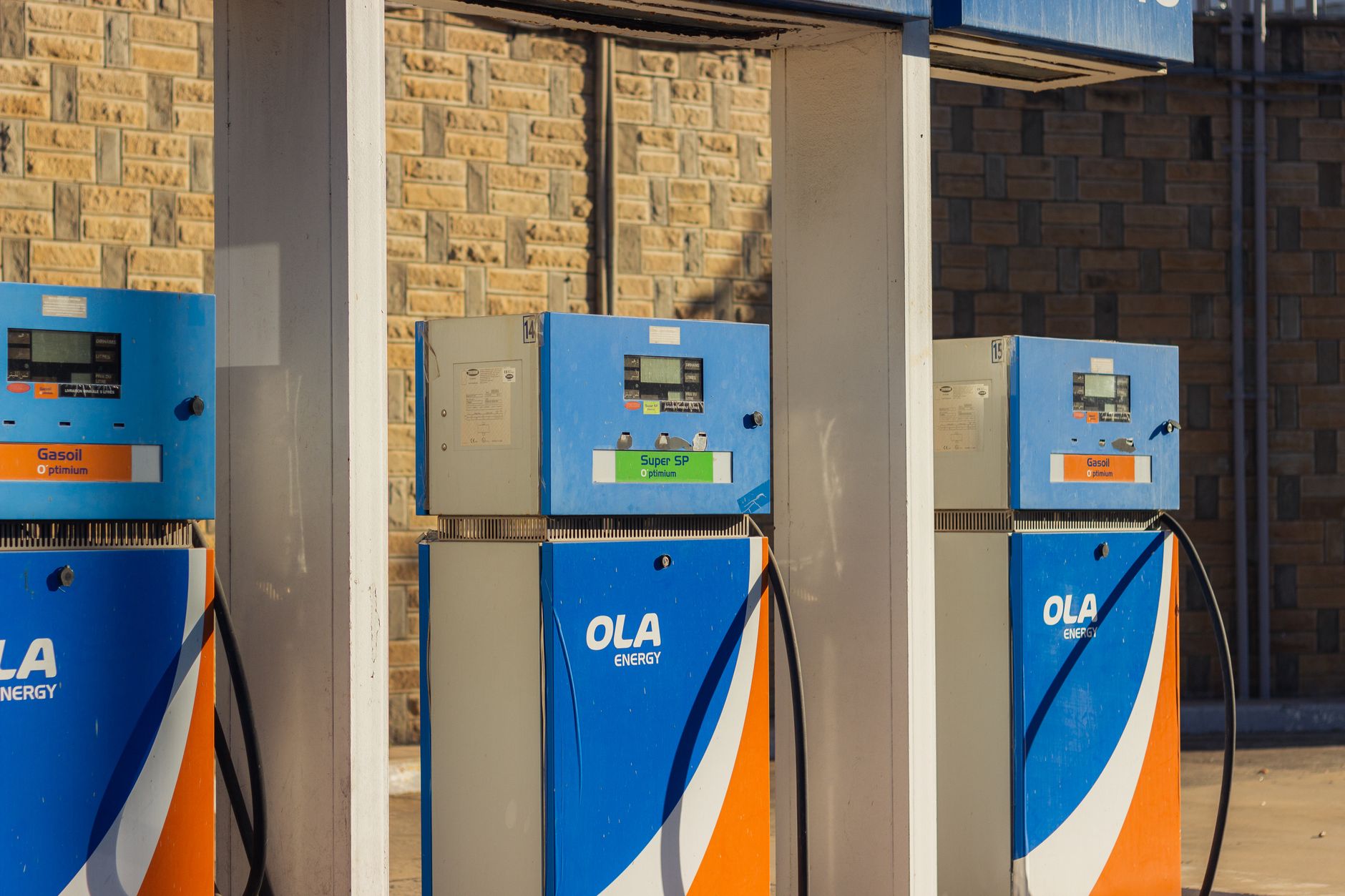
Gas prices have nearly doubled since the outbreak of the Iran conflict in February, and the average family now spends an extra $200 a month on fill-ups. To ease that burden, some local governors are pushing to freeze or reduce state gas taxes. But the move doesn’t always lead to lower prices at the pump.
“A common misconception about gas taxes is that they are the reason for rising gas prices,” said Cody Schuiteboer, a cost-of-living and home finance expert. “However, crude oil prices, refinery capacity, regional requirements and fuel blends have a much higher impact.”
The federal fuel tax has been stuck at 18.4 cents per gallon since October 1993. State fuel taxes vary widely. “Some levies are strictly per-gallon, some incorporate sales tax components, and some are adjusted automatically in line with inflation or wholesale fuel prices,” he said.
According to AAA, as of the first week of May, the average U.S. gas price hit $4.46 per gallon — nearly double what it was before the U.S.-Iran conflict began on February 28. Crude oil costs, not taxes, drove most of that surge.
Related: How to Choose a Home Fire Extinguisher
Kentucky takes the lead on a tax freeze
Kentucky Governor Andy Beshear signed an emergency regulation on May 5 that froze an upcoming state fuel tax increase. He also issued an executive order to temporarily cut the levy by 10 cents per gallon. The move could save Kentucky residents roughly $27 million a month collectively.
Other politicians are also stepping up. President Donald Trump told the outlet he aims to suspend the federal fuel tax “for a period of time.” A handful of state lawmakers have floated similar proposals.
Some of this activity is genuine economic relief.
Some of it is political. “This year presents the political season in which fuel prices remain the single most prominent consumer expense on the national radar,” the expert noted.
What a 10-cent cut actually means for your wallet
For a family with two cars, he estimates that a 10-cent reduction in the fuel tax would save $150 to $200 per year. “These are substantial figures for a personal budget,” Schuiteboer said. But he stressed that a tax suspension alone cannot fix the broader problem of high pump prices.
Related: Buy your all kind of gardening tools online with best deals and offers
Fuel tax revenue pays for roads, bridges, and other transportation infrastructure.
A reduction means less money for those projects, which could lead to delays. It’s a trade-off that states have to weigh.
There’s another wrinkle: these levies are applied at the wholesale level.
Retailers and wholesalers decide whether to pass savings along to customers. In Kentucky, Beshear activated the state’s price-gouging statute to prevent businesses from pocketing the difference. Without such protections, consumers often don’t see any benefit.
Connecticut suspended its fuel tax from April to December 2022.
Related: Who cleans up the traces of blood at the crime scene after the cops and investigators leave?
“That amounted to real consumer savings,” he said. But the outcome depends heavily on enforcement and market behavior.
According to the U.S. Energy Information Administration, some states carry notably high fuel levies — though the exact list varies year to year. The key point is that taxes are only one piece of a much larger puzzle involving crude oil, refining capacity, and seasonal fuel blends.
Freezing the fuel tax can help, but it’s not a cure-all.
For many families, the real relief will have to come from broader energy policies and global supply conditions — neither of which is easy to fix with a governor’s signature alone.


