11 Tips for Adjusting to Fuel Price Hikes
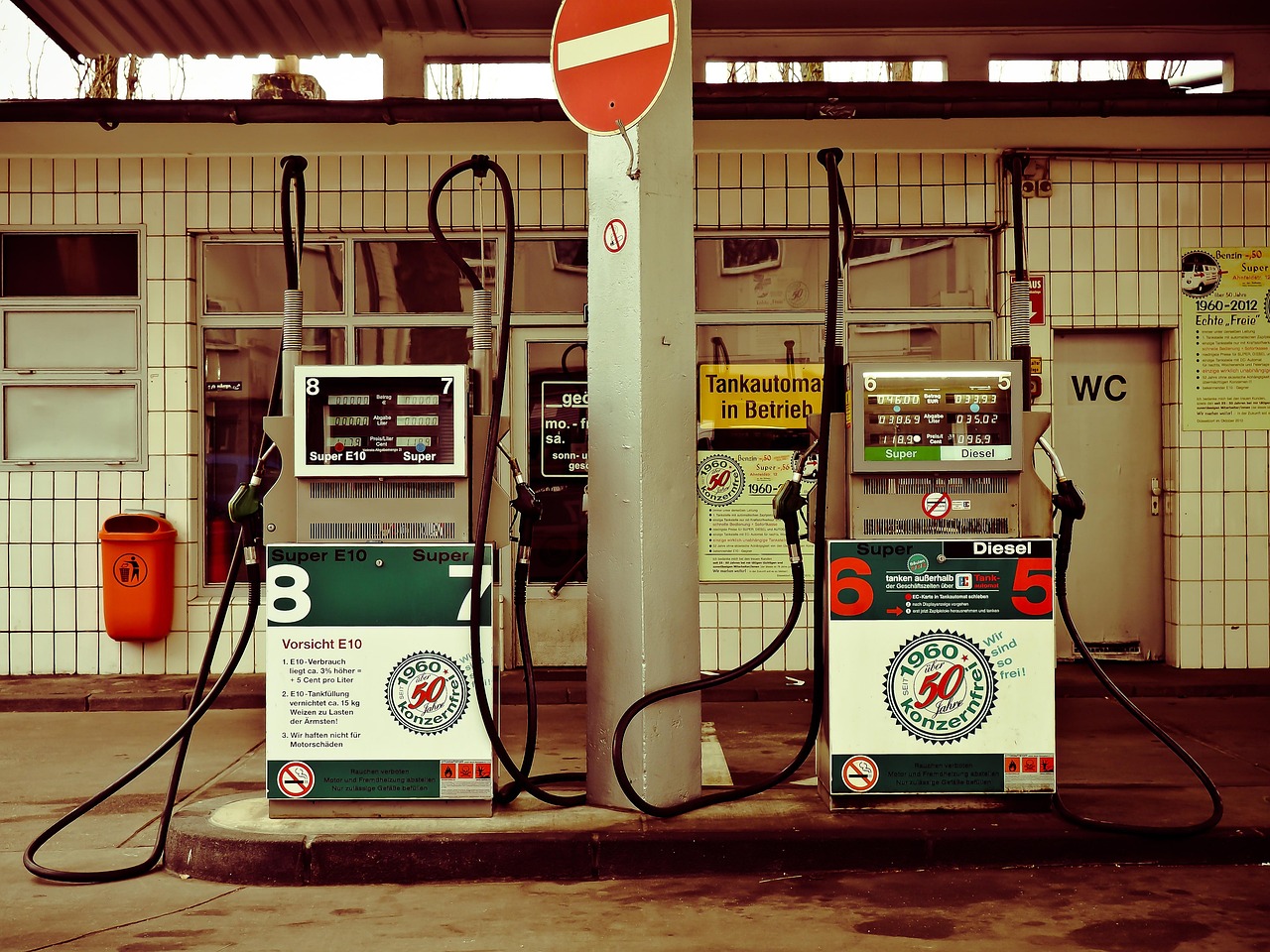
Higher gas prices are squeezing household budgets, but cutting back on driving isn’t an option for many people. Commutes, school drop-offs, and after-school activities don’t disappear just because fuel costs more. The good news is that savings are still possible — and they don’t require a single miracle app or station.
“The biggest thing people miss is that fuel savings usually come from habits, not hacks,” said commentator Annam M. Gordon. “People look for one magic app or one perfect gas station, but the real gains come from combining smarter driving habits, route planning, reward stacking and reducing unnecessary trips. Little adjustments compound surprisingly fast.”
Stacking rewards at the pump adds up fast
Most gas station chains offer free loyalty programs that can shave anywhere from a few cents to more than a dollar off each gallon. For instance, 7-Eleven’s 7Rewards program gives an automatic $0.11 off per gallon, extra discounts through text promotions, and $0.50 off on the seventh and eleventh days of the month.
Matt Mauney, a Denver-based public relations professional, said these discounts stack. “I live in Colorado, where gas is over $5 in some places, and I filled up today for $2.70 per gallon after rewards and promo codes,” he said.
Related: Smart Upgrade for Pool Owners with Beatbot AquaSense 2 Pro
Amazon Prime members can also link their account to BP’s Earnify rewards for an extra $0.10 off per gallon. Grocery store loyalty programs — like Kroger and its affiliates — give $0.10 off per gallon for every $100 spent in the store. A $1,000 monthly grocery haul, noted auto blogger Renee Martin, “could quite effectively pay for a full tank of gas.” Warehouse clubs such as Costco often have cheaper fuel, too.
One warning from Gordon: don’t buy extra groceries just to chase gas points, or the benefits disappear.
Credit card cash back and price apps are worth the effort
Using a credit card that pays 5% cash back on gas saves about $0.25 per gallon when gas costs $5, and $0.20 when it’s $4. She cautioned that some card terms exclude purchases at grocery store pumps or warehouse clubs, so checking the fine print matters. Paying off the balance in full each month is critical — interest charges will erase any fuel economy benefits.
Gas prices can vary by $0.50 or more between stations. On a typical 15-gallon fill-up, transportation expert Broderic Fernow said that difference equals roughly $7.50 in economy. Apps like Upside, GasBuddy, and Way help locate the cheapest fuel and sometimes offer extra cash back on fill-ups.
Those apps also cover parking prices and EV charging stations, which is one of those small bonuses that can add up across a month.
Related: How Modern Baby Furniture can Add Value to Your Nursery
Driving habits and vehicle maintenance quietly save more
Aggressive acceleration and hard braking can reduce gas mileage by 20% or more. “When the light turns green or the traffic begins to move, start driving again, smooth and easy,” the blogger said. Speeding also hurts: “Every 5 mph you drive over 50 mph is like spending an extra $0.25 per gallon,” said driver education specialist Laura Adams.
Idling wastes up to half a gallon of fuel per hour, depending on engine size and air conditioner use. Shutting off the engine during long waits helps. Reducing vehicle weight also improves efficiency — every 100 pounds removed increases fuel economy by 1% to 2%. Removing an unused roof rack can cut aerodynamic drag and boost mileage by nearly 20%.
Routine maintenance — proper tire inflation, oil changes, clean air filters and spark plugs — keeps the car running at its best fuel efficiency. That same maintenance also prevents bigger repair bills later.
Even cutting back on driving by 20 to 30 miles per week, said Gordon, can save hundreds of dollars a year once you factor in fuel, wear and tear, and impulse purchases. Carpooling even two days a week, or using public transit once or twice weekly, lowers fuel costs substantially.
Related: All About Conveyancing To Buy And Sell Property Without Fear Of The Law
“A lot of people don’t like the idea of carpooling because schedules are not identical,” Adams said. “But even sharing two days a week reduces fuel use and vehicle wear.”
Beyond the pump: insurance and subscriptions
Lowering household expenses outside of fuel can free up money for higher gas costs. Canceling unused streaming services, cutting back on small retail purchases, and shopping for new home and auto insurance quotes all help.
Insurance expert Melanie Musson said long-time customers often overpay. “Insurance companies calculate how likely you are to remain a customer even if they raise your rates, and the longer you’ve been with a provider, the more likely you are to have a ‘loyalty surcharge.’” Checking family plans for cellphones — even if kids are grown — and using apps like Goji Mobile to compare providers can also cut monthly bills.
None of these changes need to be perfect. She pointed out that the real key is not perfection but consistency. The same principle applies to every tip: small shifts, repeated over time, produce the kind of economy that actually shows up in a bank account.


