Danger in Cleaning Up Mouse Droppings
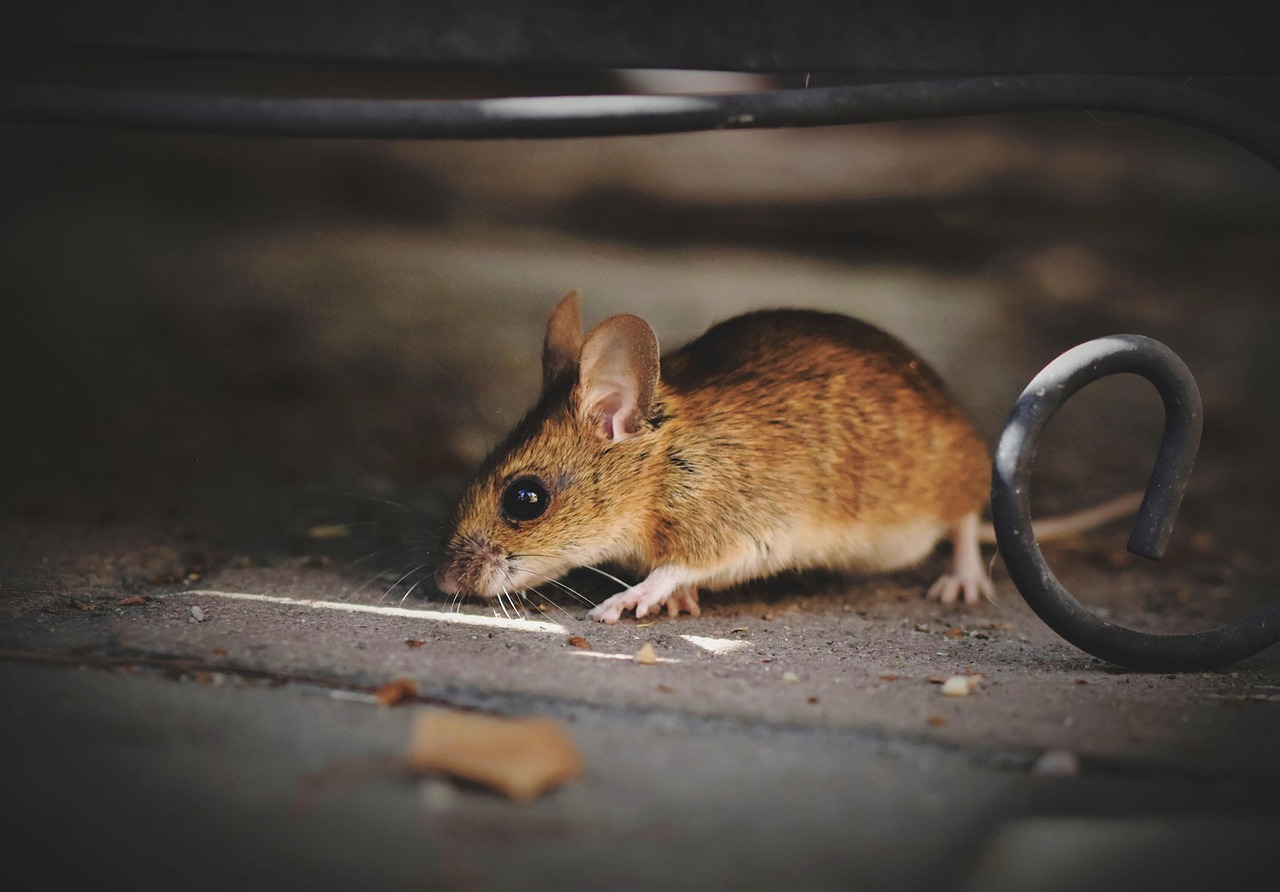
Mouse droppings are a common sight in homes, but handling them the wrong way can pose serious health risks. According to pest control expert Kyle Turner, sweeping or vacuuming these droppings is the worst approach. The dust raised during this process can spread diseases like Hantavirus, which the CDC warns can be fatal in nearly 40% of cases. Understanding why this happens—and how to clean safely—is critical.
Risks of improper cleanup
Rats and mice have long been linked to disease outbreaks. While they didn’t cause the Black Death alone, they carried fleas that spread Yersinia pestis, the bacterium behind the plague. Today, rodents still pose threats through droppings, which can carry Salmonellosis, Leptospirosis, and Lymphocytic choriomeningitis. But Hantavirus remains particularly dangerous. Its symptoms—coughing, chest tightness, and shortness of breath—can escalate quickly.
Related: Governors push to freeze gas tax as prices rise
Sweeping or vacuuming dry droppings stirs up dust. Turner emphasizes that Hantavirus spreads through inhalation of this dust. The risk isn’t limited to droppings alone; dried urine and nesting materials can also release airborne particles. Some materials are so small they can linger in the air long after cleanup.
Proper cleanup steps
Before touching anything, ventilate the space for at least 30 minutes. Open windows and doors to create airflow. If using a fan, keep it on low to avoid disturbing dust. Wear gloves and a mask throughout the process to minimize exposure.
Turner recommends wetting droppings with a disinfectant. A 10:1 bleach solution (10 parts water, 1 part bleach) is effective and endorsed by the CDC. Let the solution sit, then wipe up the droppings with paper towels. Don’t forget to clean urine trails, which may be invisible to the eye.
Related: Bluebird House Made from Single Cedar Board
Afterward, spray the area with disinfectant or bleach solution to neutralize any remaining contaminants. The CDC provides guidance on choosing disinfectants via the EPA website. This step helps prevent cross-contamination.
Preventing future infestations
Cleaning up droppings is only part of the solution. If mice are still present, they’ll likely leave more waste. Signs of an infestation include multiple droppings, gnaw marks on wood, and sounds of scurrying in walls. Even a single mouse sighting suggests others are nearby.
Related: How Modern Baby Furniture can Add Value to Your Nursery
To deter mice, seal gaps in foundations, baseboards, and walls. Use sealed containers for food and keep eating areas spotless. CDC guidelines emphasize that small openings—about the size of a dime—can invite rodents in. Professional pest control may be necessary if DIY efforts fail.
Ignoring mouse droppings isn’t just messy; it’s a health hazard. The right approach—ventilation, wet cleaning, and prevention—can protect your home and family. Avoid shortcuts, and take the time to handle the situation carefully.


