Celebrating Craft in Modern Architecture
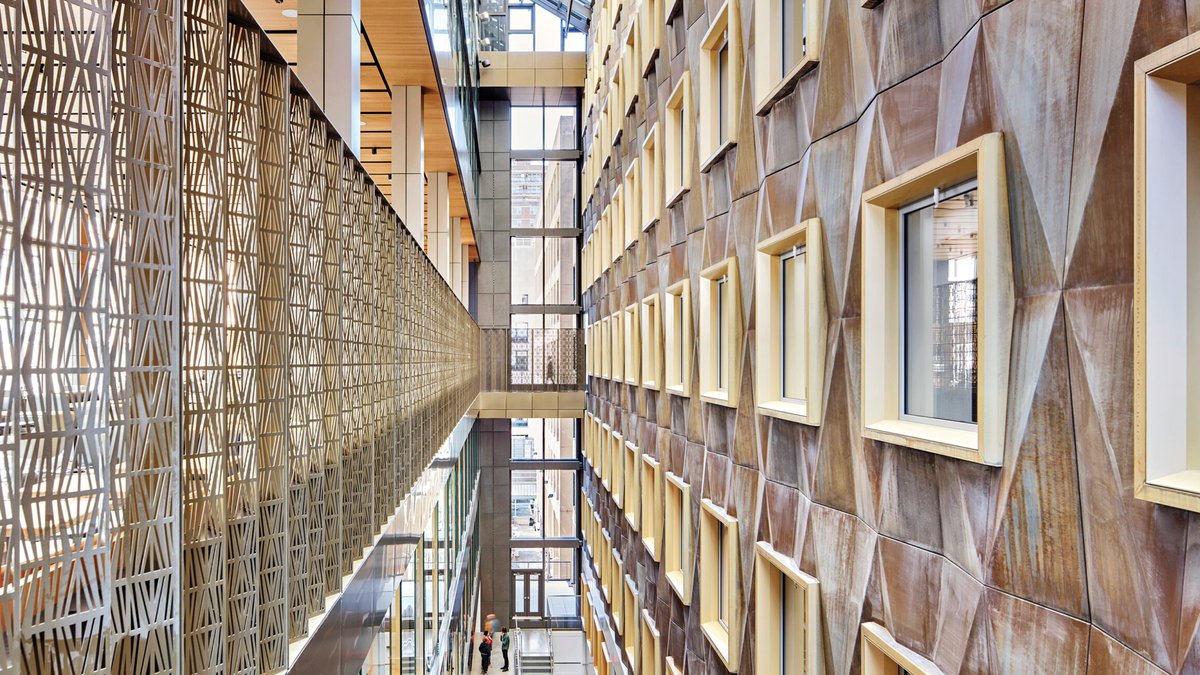
Architects and designers gathered at the Boffi showroom in New York City to discuss the role of craft in modern building practices.
Understanding the Process
The discussion centered on how architects must understand the physical reality of their designs. Christopher Sharples, a founding principal at SHoP Architects, explained that his firm started with a literal workshop in the office to study means and methods. He noted that driving a design process requires understanding how materials are made and their attributes. The firm found it valuable to know fabricators and their machine capabilities to bring that knowledge back into design thinking.
Related: Designs to Improve Your Mental Sharpness
Darina Zlateva, a director at KPF, described a different approach to scale. Her team thinks about projects using the “Powers of Ten” concept, looking at a building from 10,000 feet down to 100 feet. The perspective on craft changes as the design shifts from these distant views to close-up details, such as ten feet away or touching the surface. This shift in focus ensures that human interaction with the building is considered throughout the process.
The Human Element
Michael K. Chen, a principal at MKCA, argued that craft connects small projects to larger agendas. His firm considers elective decisions regarding what is valued in the process and how materials are sourced. For example, working with wood requires thinking about the forest and whether choices are regenerative. Chen emphasized that the presence of the human hand raises questions about which humans those hands belong to and whether the work benefits them.
Architects often find that craft creates a sense of care that is missing from digital models. Brad Zuger, a partner at Rockwell Group, noted that rounding the underside of a table makes guests feel that a human touched the detail. This tactile quality provides meaning and joy, something a computer model cannot easily replicate. Craig Copeland, a principal at Pelli Clarke & Partners, agreed that collaboration with fabricators is essential when working with stone. He described discovering cracks or veins in materials during installation, a discovery that cannot happen with a preconceived computer model.
Related: Danger in Cleaning Up Mouse Droppings
Designers are increasingly using craft to include diverse perspectives in the building process. Leaders in the field are finding that craft is not always a luxury but a way to achieve longevity. Brad Zuger pointed out that clients often view craft as expensive, but it can also mean a building will last longer.
Despite the rise of digital tools, simple human solutions often prevail. Justin Korhammer mentioned a stadium project in Hangzhou where the facade developer found a way to cover a spherical object using tiles instead of numbering individual brass shingles. This feedback from craftspeople made the design more affordable and efficient, proving that expert input can simplify complex digital concepts.
Related Stories
 Contractor Vetting Desk
Gardening advent calendars blend seeds, tools and treats
Different Tools for Different Weeding Tasks
 Contractor Vetting Desk
Goldfinches flock to gardens with simple autumn prep
 Contractor Vetting Desk