Hot Cars Can Cause Serious Skin Burns
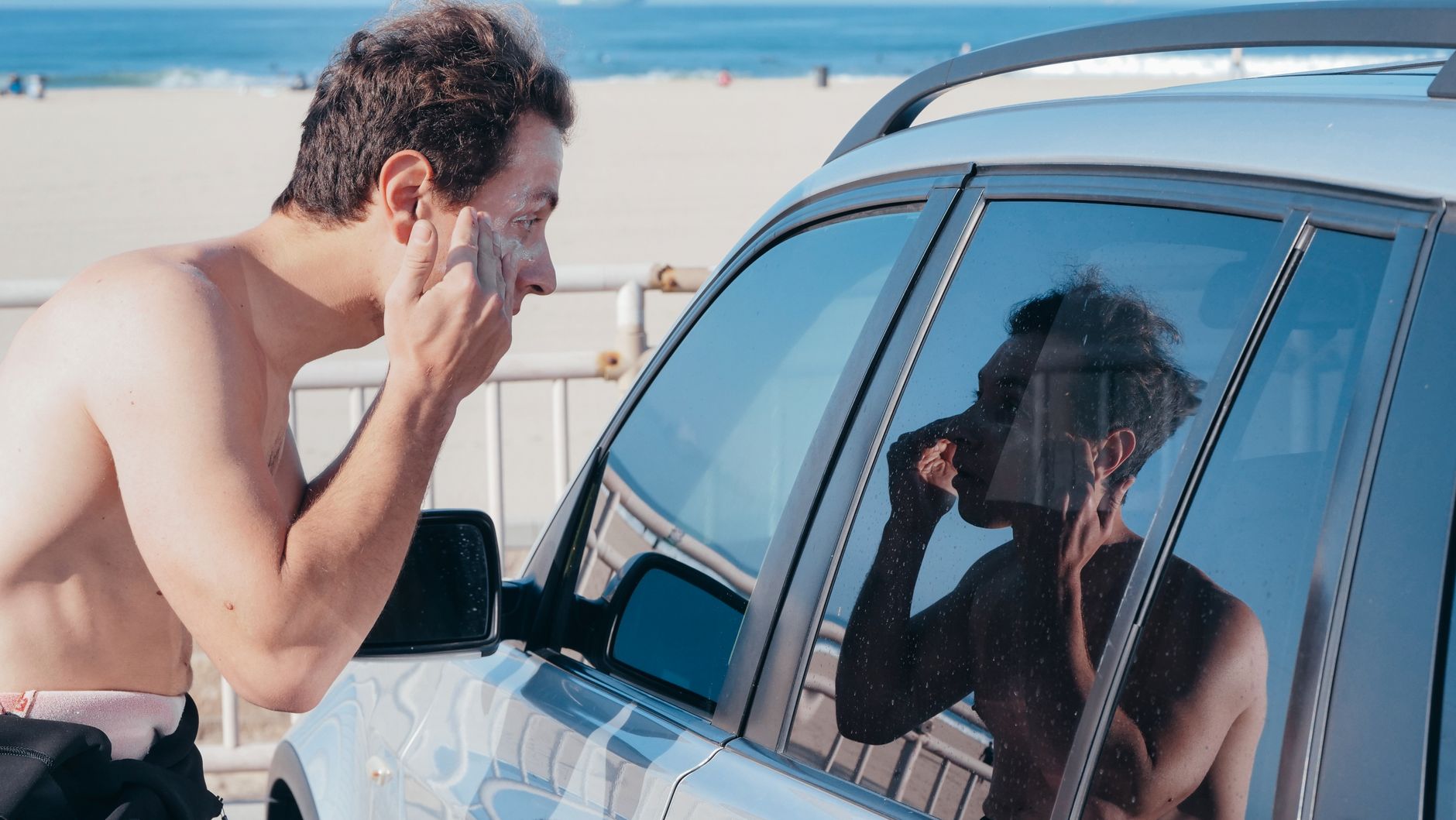
A parked car can become dangerously hot.
A car left under a blazing sun can reach temperatures that are high enough to cause a skin burn, a risk that varies with climate, vehicle color and interior materials.
Related: Takata Air Bag Recall Alters Millions of Drivers
Heat buildup and geographic factors
In regions with strong sunlight, interior surfaces can become dangerously hot. An insurance analyst notes that drivers in northern states rarely experience burns, while those in the Southwest face a much higher chance of injury. The difference stems from ambient temperature and the amount of direct solar radiation that a parked vehicle absorbs.
Color matters more than you think
A test by a detailing shop measured surface temperatures on a 120‑degree Fahrenheit day. A black sedan recorded more than 200 °F on its exterior, whereas a white model peaked at about 140 °F. According to OSHA guidelines, contact with surfaces at that temperature can cause a first‑degree burn, so both dark and light cars pose a risk, but the darker finish accelerates the injury.
Seats, steering wheels and other touchpoints
Leather and vinyl upholstery absorb heat, especially when the material is dark. An attorney who handles personal‑injury claims says the temperature can rise enough to irritate skin or produce a first‑degree burn after a few minutes of contact. Likewise, steering wheels made of dark plastic or leather can become too hot to grip safely.
Related: On-Your-Lot Home Builder | House-Building Mistakes to Avoid
Practical steps to avoid burns
Simple precautions can reduce the chance of a painful encounter. Parking in shade, using a windshield sunshade, covering seats with a light‑colored towel, and opening doors for a minute before entering are all recommended. Touching surfaces with the back of the hand first can also give a quick sense of temperature without risking a burn.
Another tip, perhaps a little odd, is to keep windows slightly cracked to create airflow even when the car is parked. The small draft can lower interior heat enough that the steering wheel stays cooler for longer.
Related: Scythes Make a Comeback in Lawn Care
Expert perspectives
Attorney Kasey Klenda, who regularly handles motor‑vehicle injury cases, emphasizes that burn injuries from hot cars are real and not merely anecdotal. Insurance specialist Melanie Musson adds that the risk is tied to both climate and vehicle design, noting that dark interiors act like a solar collector.
Both experts agree that the best defense is prevention rather than treatment. By taking a few minutes to shade the vehicle or check surface temperature before getting inside, drivers can avoid the discomfort and potential medical costs of a burn.


