Architecture for America’s First Communities
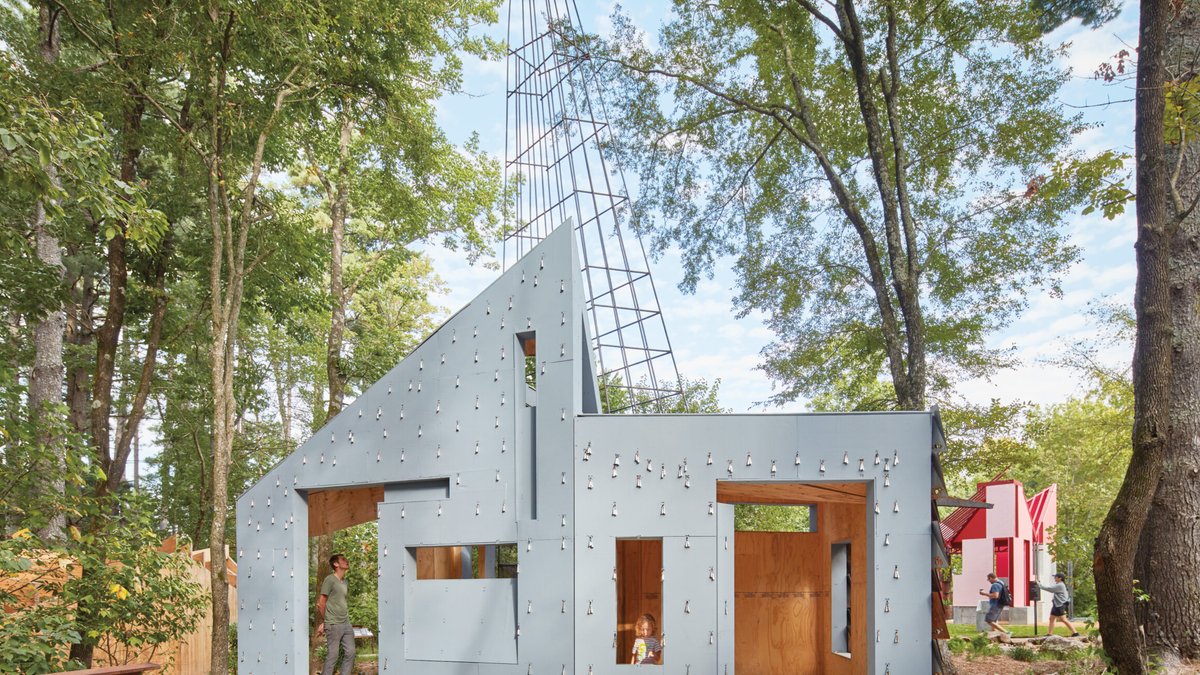
Indigenous leaders and educators in the United States and Canada are reshaping how architecture serves the first communities of the land. Two practitioners leading this shift are Chris Cornelius, founding principal of studio:indigenous and a professor at the University of New Mexico, and Wanda Dalla Costa, the first licensed First Nations woman architect in Canada and a principal at Tawaw. Their work moves beyond simple design, focusing on the complex relationships between modern construction and historical Indigenous identities.
Cornelius recently stepped back from his role as department chair to focus more heavily on his firm’s building projects. The studio is currently advancing an Indigenous cultural center in Texas and a private residence in South Dakota. He is also contributing to the master plan for Pennsylvania Avenue in Washington, D.C. alongside the setting architecture studio Land Collective. This large-scale civic project demonstrates how traditional design principles can inform contemporary urban spaces.
Related: Tuckey Design Studio Rooted in Reuse
Dalla Costa’s firm, Tawaw, is similarly expanding its reach. The team is working on the Canadian embassy in Mexico City, bringing an Indigenous perspective to international diplomacy. The firm also handles affordable housing projects, a sector Dalla Costa describes as critical for their community.
The conversation with the two architects often turns to the difficulties of reconciliation, particularly regarding the impact of residential schools. Dalla Costa notes that her office has been commissioned by the Mellon Foundation to run an artist-driven grant to fund Indigenous architects and artists directly. This funding is intended to support the creation of monuments and memorials that recognize the impact of boarding schools and residential schools on Indigenous people.
One recent project in Keystone, South Dakota, called Big Granite, demonstrates this approach. Designed by studio:indigenous, the home sits in the Black Hills and reflects local granite formations and constellations significant to the Lakota people. The design honors the land while providing a contemporary dwelling for the residents.
Related: Why Salt Shakers Have Ridges on the Bottom
Indigenous architects are increasingly being invited into non-Indigenous projects to provide community storytelling expertise. Cornelius describes his approach as helping people tell the stories of their communities that haven’t been heard, a skill that applies broadly, not just to Indigenous groups. He notes that the lack of affordable housing affects middle-class communities across the country, a problem that can be addressed through the same community-focused design methods used on reservations.
The conversation frequently touches on the commercialization of Indigenous knowledge within the sustainability movement. Cornelius argues that Indigenous thinking does not compartmentalize issues into distinct categories like “net-zero energy” or “net-zero carbon.” Instead, he views the world through relationships and reciprocity, often referring to his buildings as “relatives” because he is putting a piece of himself into the world with every project. This perspective challenges the disposable nature of modern construction and encourages a deeper, more holistic connection to the environment.


